A Bear Traffic Jam

When you live life on the road, and are mobile, you really don’t pay much attention to the calendar. We look at the year in segments….a few months here, a few months there, and then winter in a warm place. So when we headed out on our day off to Bear Country USA, we completely forgot that it was the Fourth of July Holiday weekend. Until we pulled in to the entrance and were stuck in long lines…..!
 

Bear Country, Rapid City

Bear Country, Rapid City

Bear Country USA, a drive-thru wildlife park is about 8 miles South of Rapid City. Open since 1972, the park allows animals to roam free on over 200 acres, while us humans remain caged in our vehicles. The park has elk, wolves, reindeer, big horn sheep, rocky mountain goats, buffalo, and the largest privately owned group of American Black Bear. Each species is sectioned off from the others, in case they don’t ‘play nice’ with each other.

Bear Country is open from May to November, (the bears still hibernate for the winter), and costs $16.00 per adult (maximum charge of $60 per vehicle.  (We received free admission with our VIP pass).

The tour starts with a drive through the Rocky Mountain Elk area, which has many beautiful Elk, including this guy, just lounging right by the side of the road. This is the first time I have seen Elk, and they are quite an impressive animal.


A beautiful Elk

A beautiful Elk

We encountered several Arctic Wolves in the next section, including this one licking its chops as it walked past my window. I opted to keep the window closed, so there is a bit of reflection on the photo.

keeping the window up tight!

keeping the window up tight!

When the wolf was at a safe distance, I rolled the window down for a better photo.

Artic Wolf

Arctic Wolf

Although we didn’t see Rudolph, there were quite a few Reindeer, counting down the days until they have to go back to work at the North Pole.
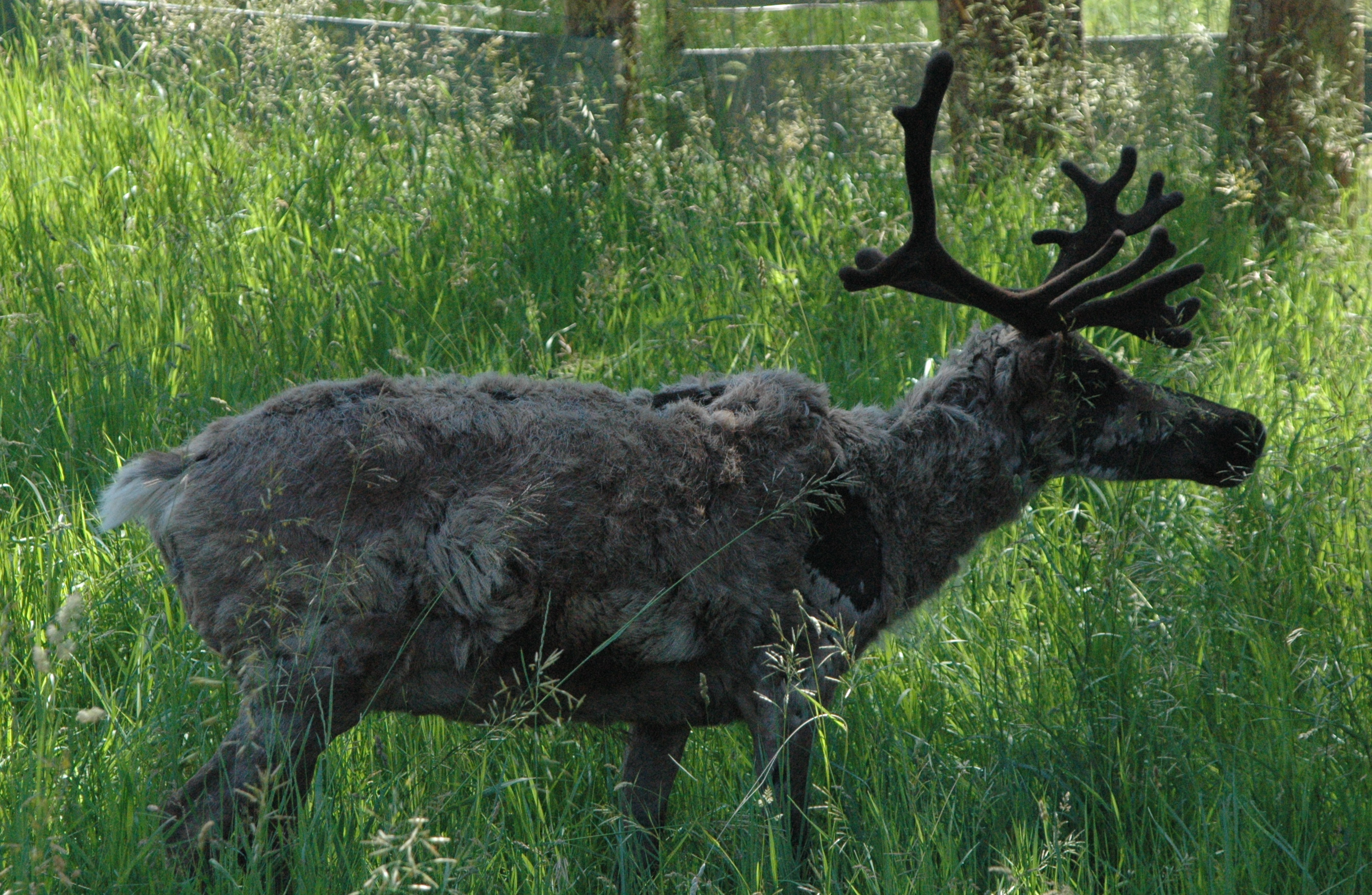
is this Dasher or Dancer?

is this Dasher or Dancer?

They had some very beautiful Big Horn Sheep, including this big guy…
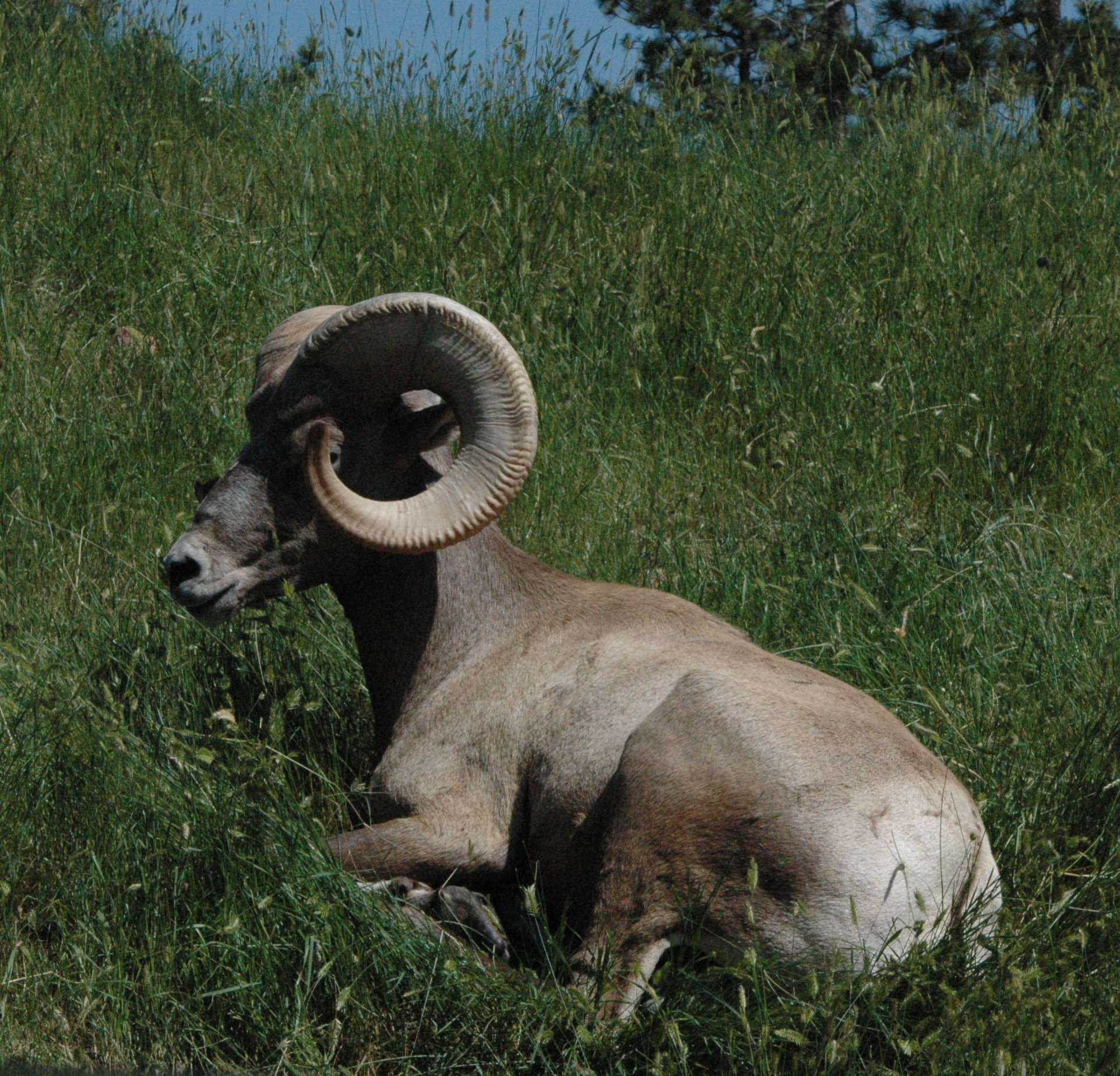
 

Big Horn Sheep

Big Horn Sheep

And this one as well, happy to pose for photos, it seems.


hello!

hello!

The Rocky Mountain Goats were busy snoozing.


Rocky Mountain Goat

Rocky Mountain Goat

And then we entered the Black Bear area, where you are not permitted to roll down your window (actually you are not supposed to do it in the other areas), and they have a person with a shotgun stationed in a tower in the middle of the bear area, just in case something goes amiss.

free to roam

free to roam

DSC_0790

Mating season is May and June for bears, so we weren’t the only ones who forgot that it was July!


hmmmm

hmmmm

Black Bears can vary in color, from black, brown, cinnamon, blonde and white. In the wild, they live 10-15 years, but in captivity, 15-30 years is the norm. These three bears were causing quite a traffic jam in the park.
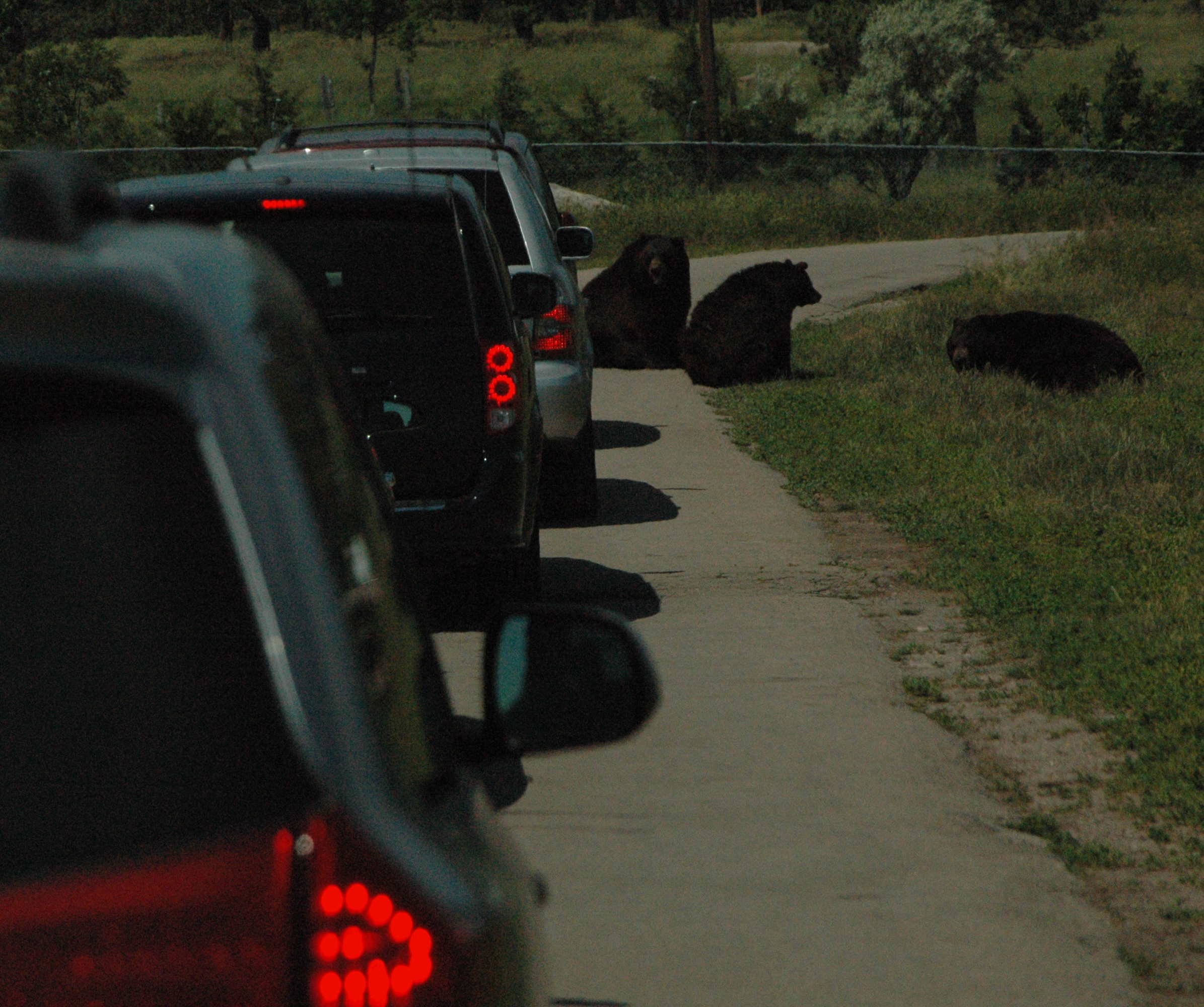
 

3 little bears

3 little bears

Signs in the bear area indicate you are supposed to continue driving slowly, and the bears will move out of your way. But it is a bit intimidating to have a large bear walking right in front of you!
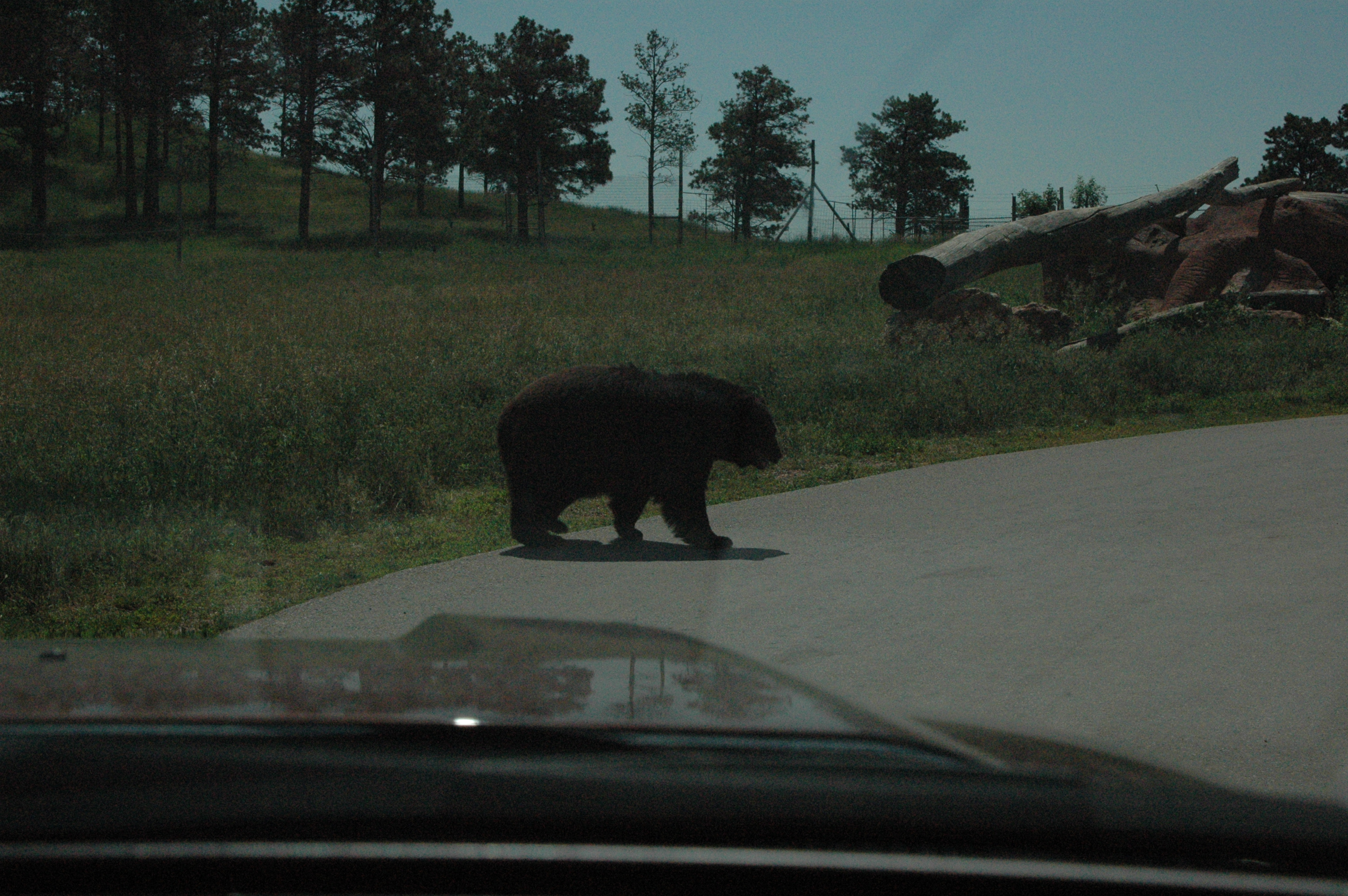
 

bear crossing!

bear crossing!

After exiting the drive-thru portion of the park, you can park and walk over to see an impressive looking Grizzly Bear. These bears are identified by the hump on their shoulder, which is from the large muscle used to strike with their paws and dig holes. They can run both uphill and downhill at speeds of 35 MPH, so don’t plan on outrunning one of these in the woods!
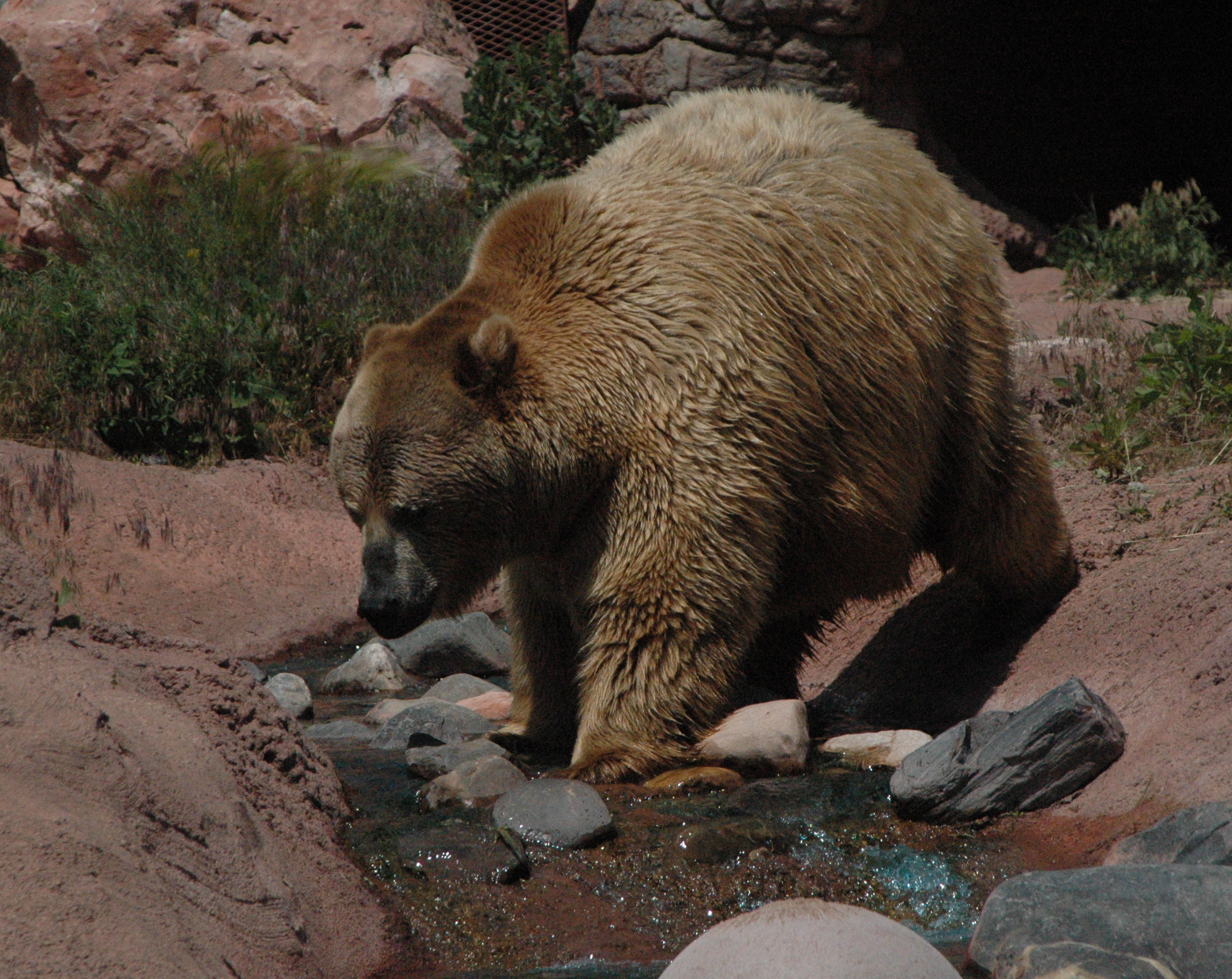
 

Grizzly Bear

Grizzly Bear

Babyland has smaller animals, such as the state animal of Wisconsin, the Badger. Although they look cute, especially while sleeping, they can be quite mean. They are excellent diggers (the Badgers also had a nice basketball season, making it to the Final Four….oops, a bit off topic!)


The Badgers

The Badgers

The state animal for South Dakota is the Coyote, which adapts itself to both rural and urban settings. We hope to never encounter one of these, as they have a tendency to eat small animals.
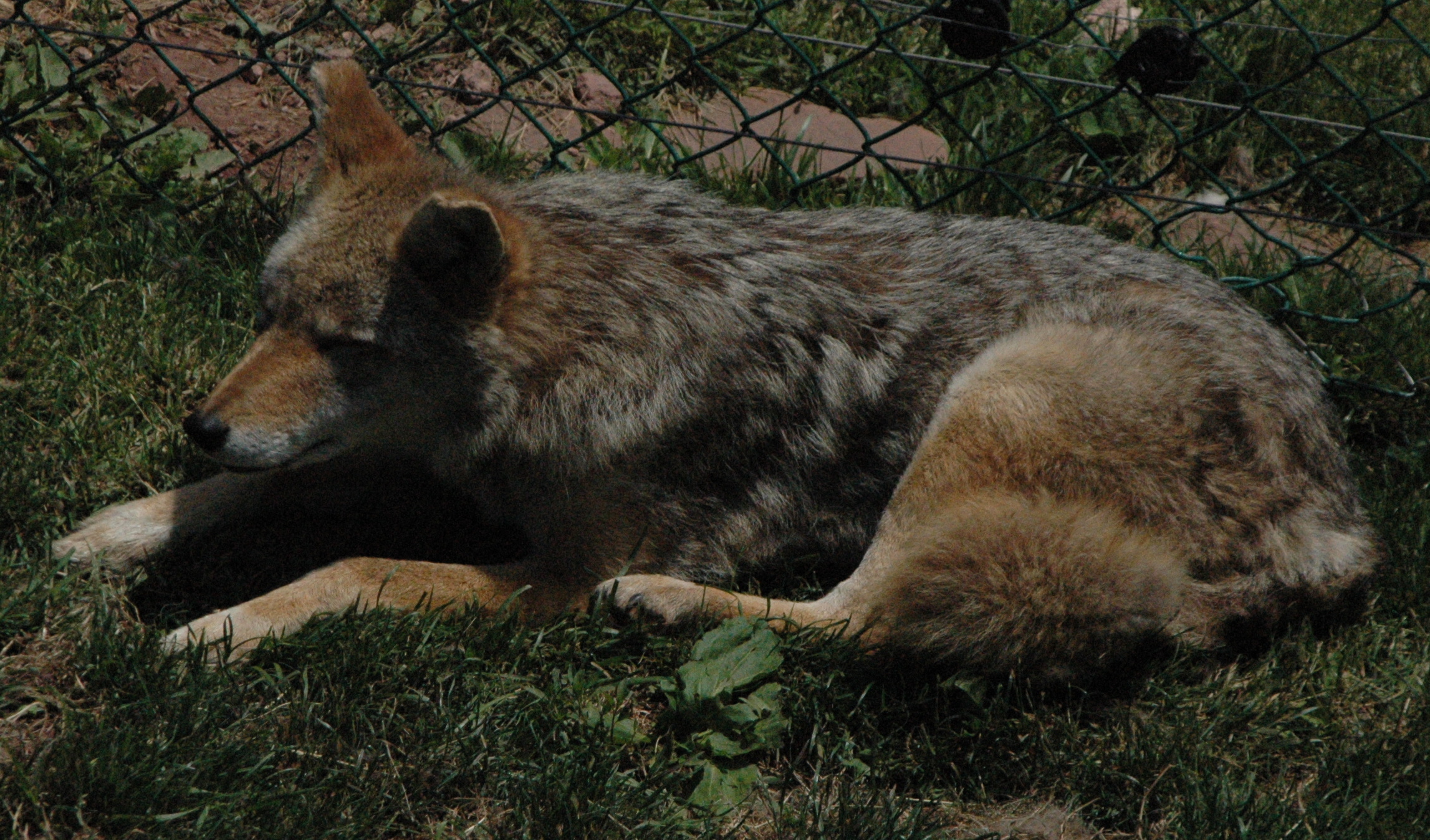
 

cute coyote

cute coyote

They had several Red Foxes on display. Makena (our dog) was bred to hunt fox, although she is too afraid of most animals, so I am not sure what she would do if she spotted one of these cute little animals.
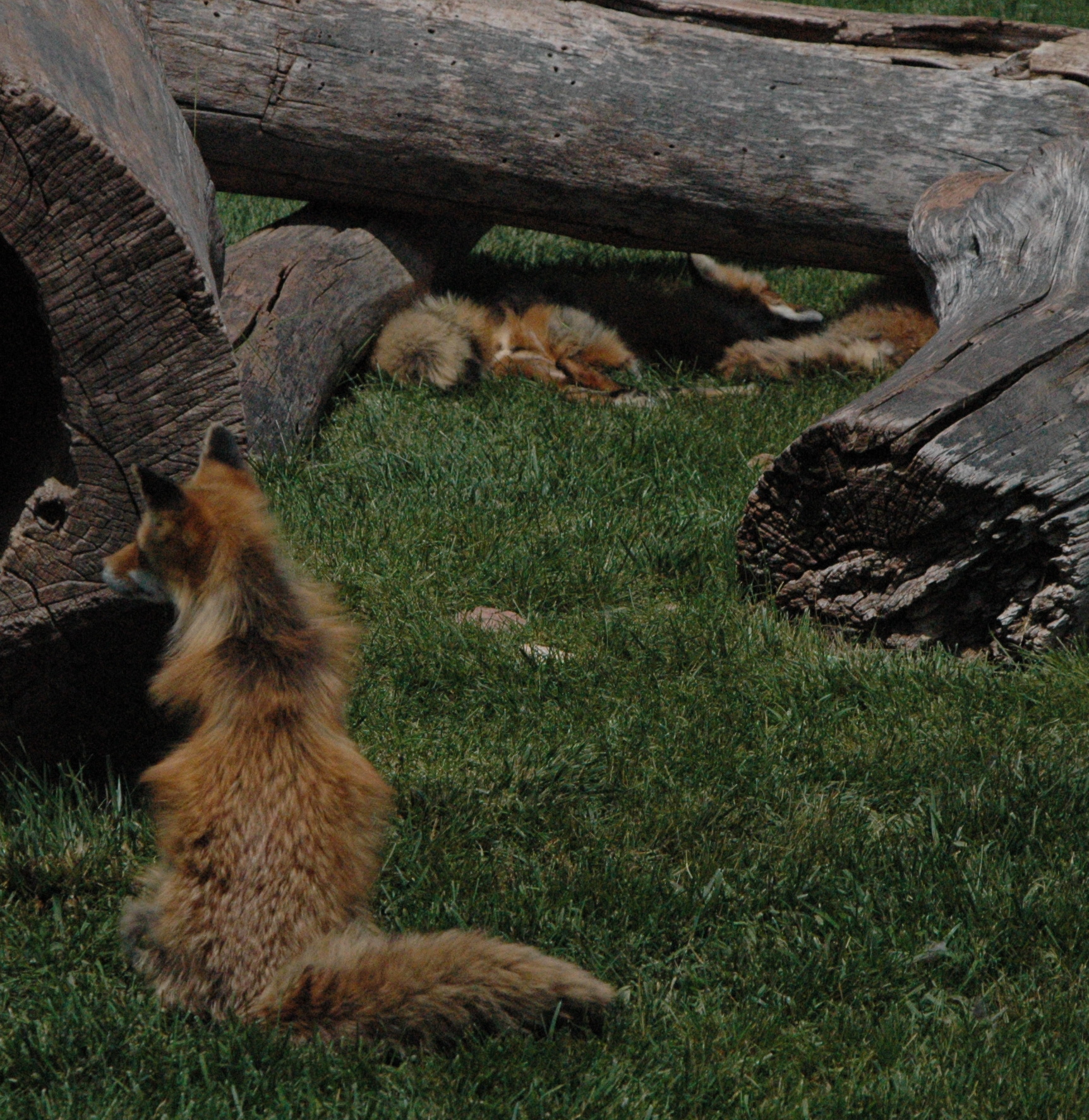
 

Mr. Red Fox

Mr. Red Fox

They had a few baby Pronghorns on display. Pronghorns are generally lumped in to the antelope or goat family, but they are neither. They are the sole survivor of an ancient species, and are only found in North America. They are the second fastest land animal, with a top speed of 60 MPH, and can sustain speeds of 30 MPH for several miles. Oddly, they crawl under a fence, instead of jumping over one.


Pronghorn

Pronghorn

But the highlight of the Babyland area are the bear cubs. I took several videos of them running around. They are so cute! The cubs were born late January/early February. After three months with their mothers, the park weans them off and away from them, for their own protection. In the wild, only 40% of the cubs make it to one year, as many are harmed by the adult males.
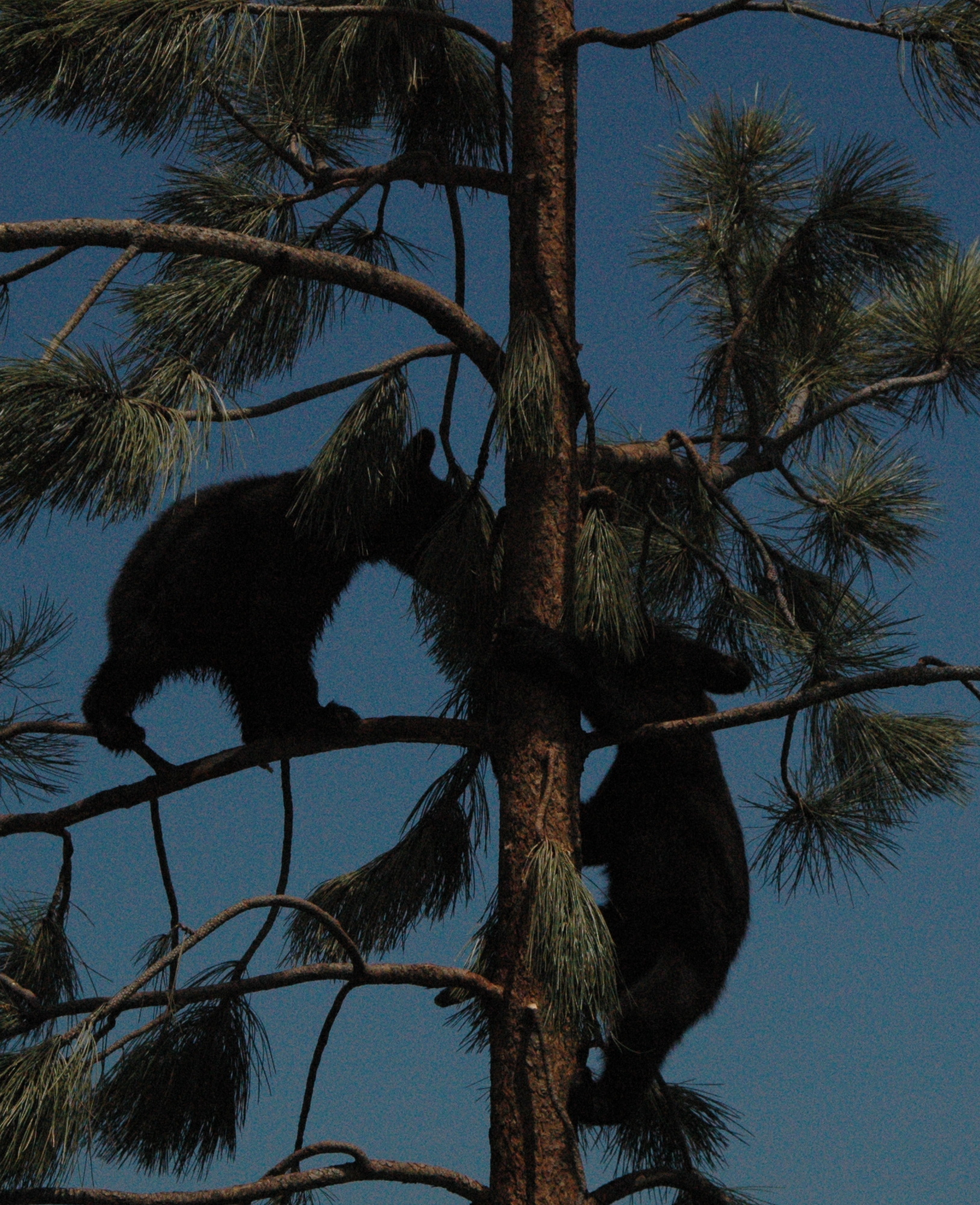
 

playing in the tree
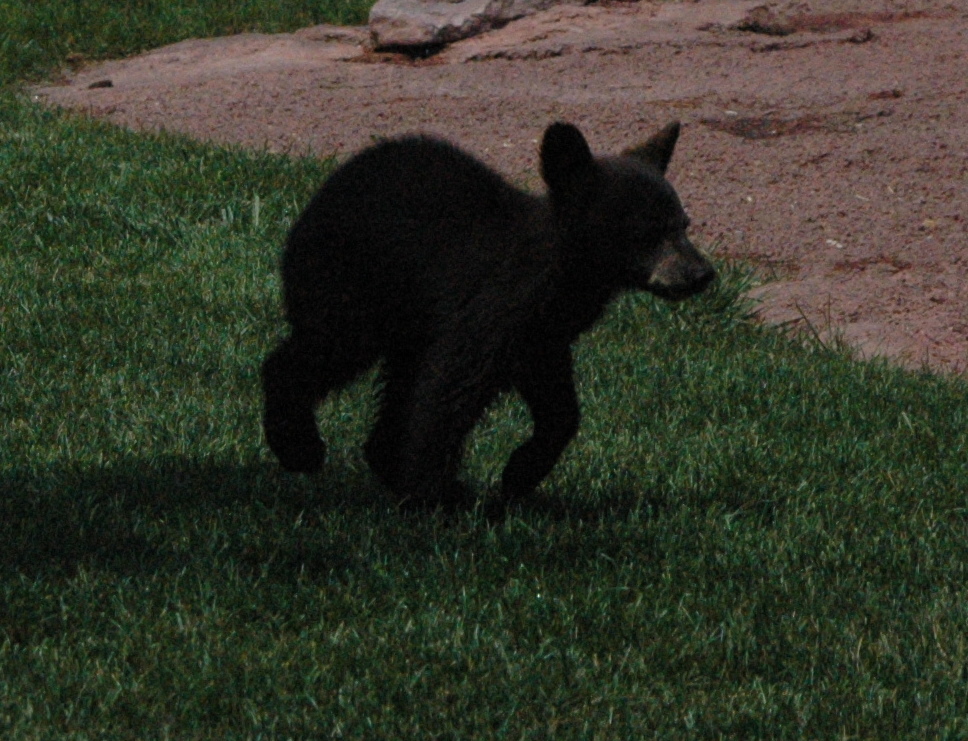
playing in the tree


baby black bears

baby black bears

We both enjoyed the park, and would recommend this to anyone visiting the area.

Quote for the day:  “Bears are not companions of men, but children of God, and His charity is broad enough for both…bears are made of the same dust as we, and breathe the same winds and drink of the same waters.  A bears days are warmed by the same sun, his dwellings are overdomed by the same blue sky, and his life turns and ebbs with heart-pulsing’s like ours and was poured from the same fountain….”  John Muir

Fact or Fiction: High Altitude Baking

Our campground sits at 5800 feet in elevation, which means we have to follow “high altitude” baking instructions. Or do we?

This is our first experience camping at a higher elevation, although I have not yet noticed anything different. I was curious about what changes are needed in baking, so I decided to do a little experiment. When I make a batch of cookies, I usually bake a dozen or so, and then freeze the rest of the cookie dough (much to Dan’s dismay!).

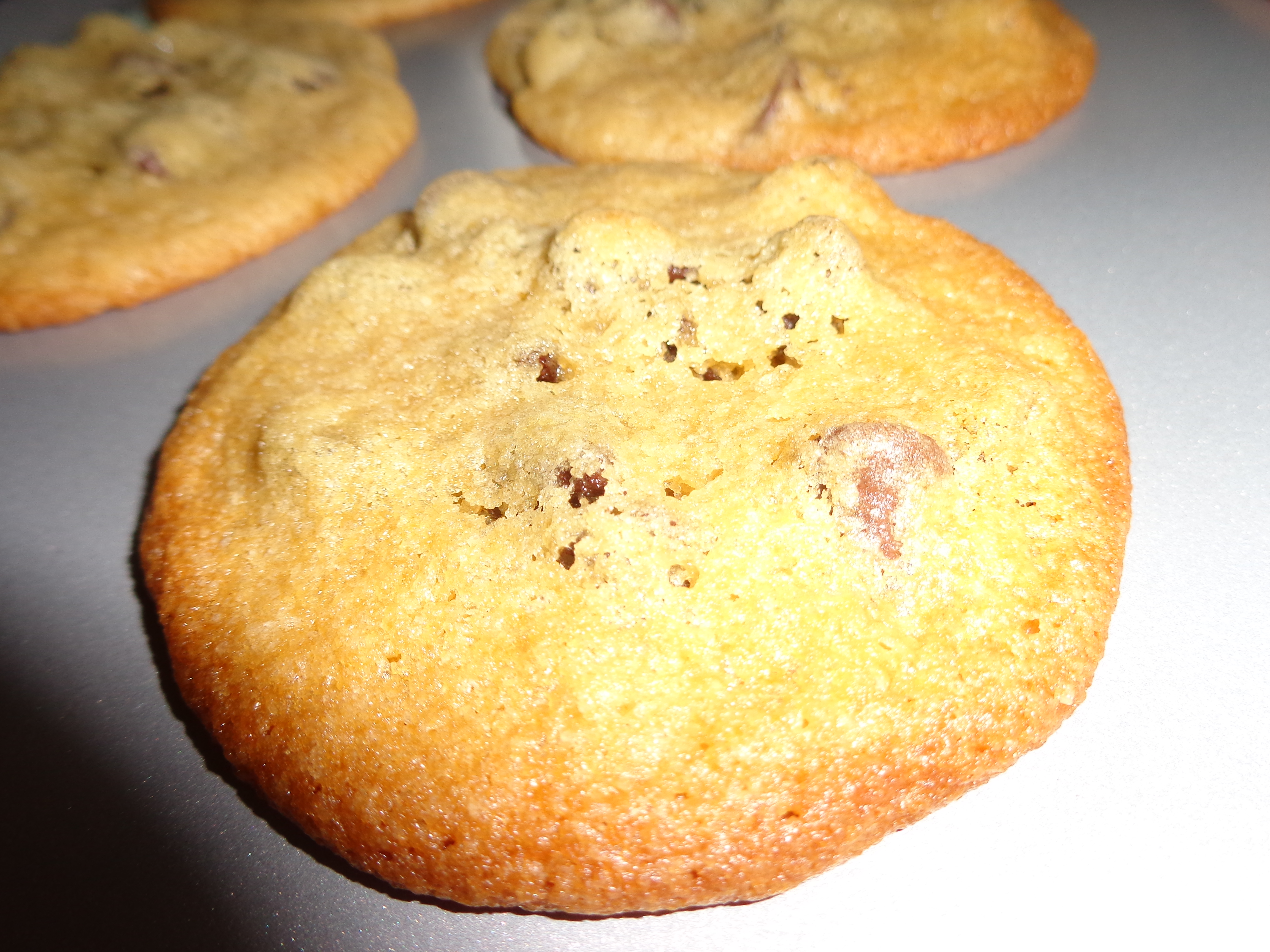
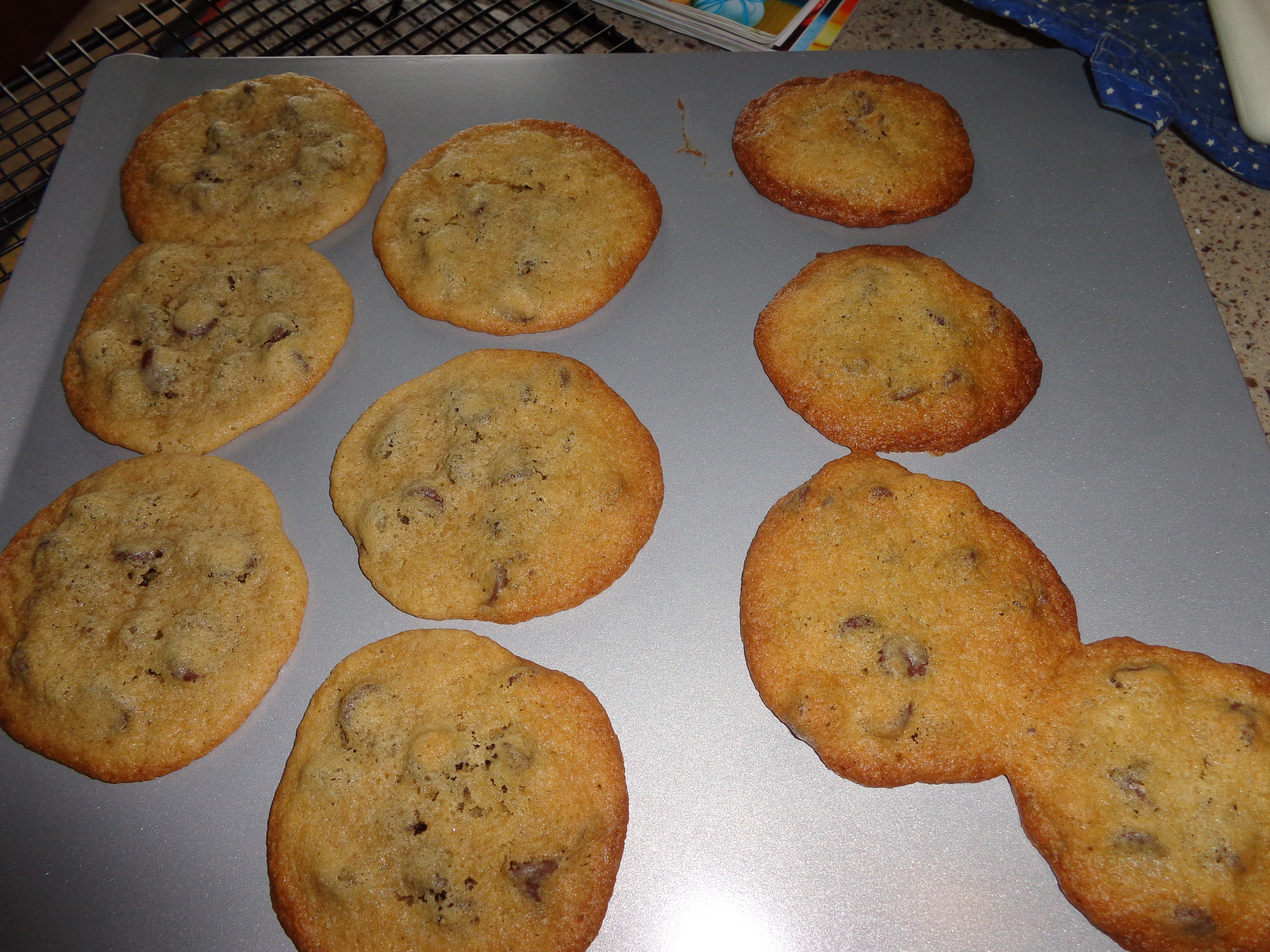
Since I had some dough in the freezer that I made a few months ago, I thought I would bake that up, and see what happens with the regular baking instructions. Here are the results. The cookies browned nicely, but were flat and a little doughy in the middle.


regular cookies

regular cookies

a bit flat

a bit flat


I also had a butter braid in the freezer, which is a pastry that my niece sells as a fund-raiser for her school. We have had these in the past, and they are excellent. I noticed the package had instructions for baking at higher altitude, so I decided to follow those instructions. The difference in baking required a shorter time for the dough to rise (6-8 hours instead of 8-12), a higher baking temperature (350 degrees instead of 325) and a longer baking time, by about 6 minutes. The result? Excellent!

Yummy!

Yummy!

Next I made a batch of cookie dough, this time following the “high altitude” instructions. The change in the Nestle’s Toll  House chocolate chip cookie recipe required adding 1/4 cup more flour, reducing the granulated and brown sugar to 2/3 cup from 3/4 cup (this is a 1/12 cup reduction for Dan’s math geek friends) , and adding 2 teaspoons of water to the flour mixture.

Although from the photos below, the “high altitude” cookies don’t look much different, they were crispier than the non high altitude cookies.

high altitude

high altitude

high altitude instructions

high altitude instructions

We also made some biscuits, which didn’t require any changes according to the box.  I forgot to take a photo, but they turned out flat and doughy and took about 10 extra minutes of cooking to make them palatable.  I think I will e-mail that company and advise them to change their directions!
This little experiment had me thinking why we have to adjust the time/temperature and ingredients.  So here’s today’s science lesson:

  • The higher the altitude, the lower the air pressure.  Therefore, food will take longer to bake.
  • Liquids evaporate faster at higher altitude, so flour and sugar is adjusted to prevent the batter from getting too gummy.  If your cookies spread out, there is too much sugar.
  • Gas expands more at higher altitude, so dough rises faster.

Besides baking, we do a lot of cooking in the crockpot.  The first few times of using it here, the food was overdone.  So with a crockpot, I find the food cooks much faster at a higher altitude.  This may be due to the evaporation of liquids at a higher altitude?

Quote for the day:  “Why is a birthday cake the only food you can blow on and spit on and everybody rushes to get a piece?” – unknown


While my parents are away…

Keeping my peeps informed!

Keeping my peeps informed!

Hi Everyone! I know I haven’t blogged in over a month, so I thought I would do a quick update, while my parents have been busy playing tourist again, during the 4th of July weekend (what are they thinking, going out in that madness?!)

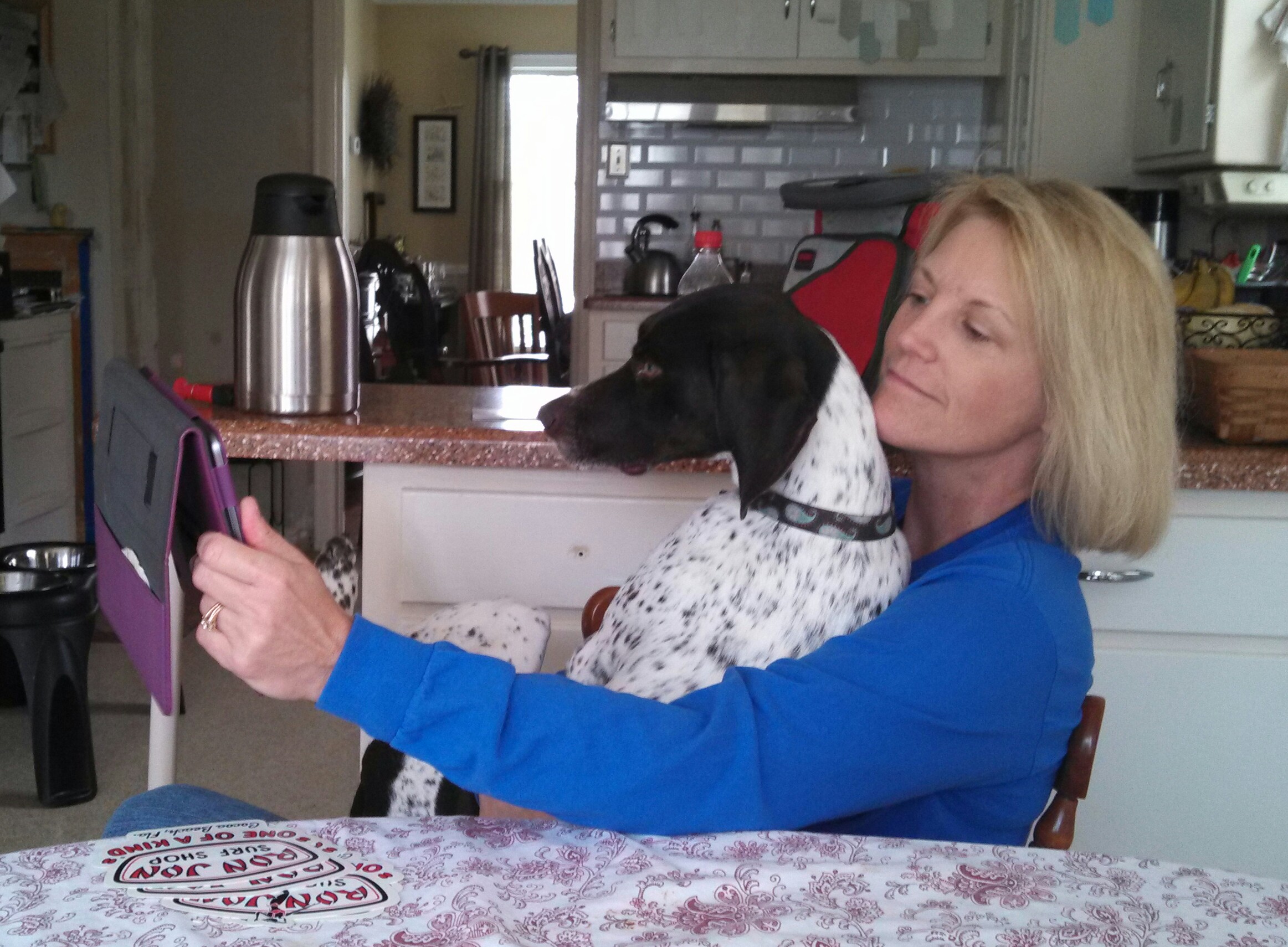
Last time we were “home”, my mom was showing my cousin Reagan my blog on the Ipad, so I know I need to keep my cousins updated!


Reagan follows the blog

Reagan follows the blog

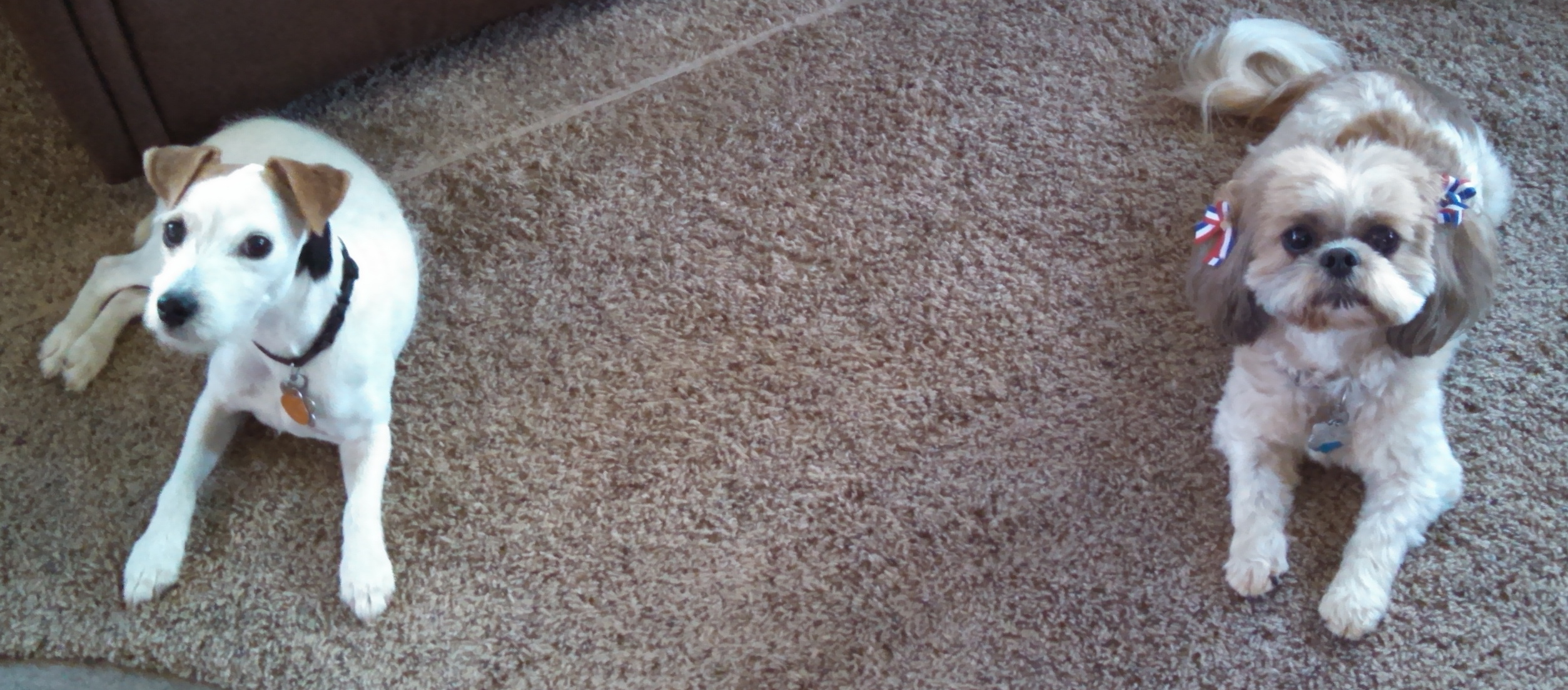
The park we are staying at is nice, from my point of view. There are only a few other dogs staying here, but they don’t live near me, and they don’t come over to sniff me, if you know what I mean!!

There is no designated ‘off leash’ area, which is a bummer, but my parents have been taking me over to the tent camping area to play football (yay!!!) when no one is around. They talked with the other campers who are parked nearby, and no one has objected to me being off leash for 5 minutes a day so I can run around and play catch.

I was a bit concerned when a whole group of Boy Scouts arrived, but then they set up all their tents on the other side of the campground. Whew! That would have interfered with my play area.


Boy Scouts tent camping

Boy Scouts tent camping

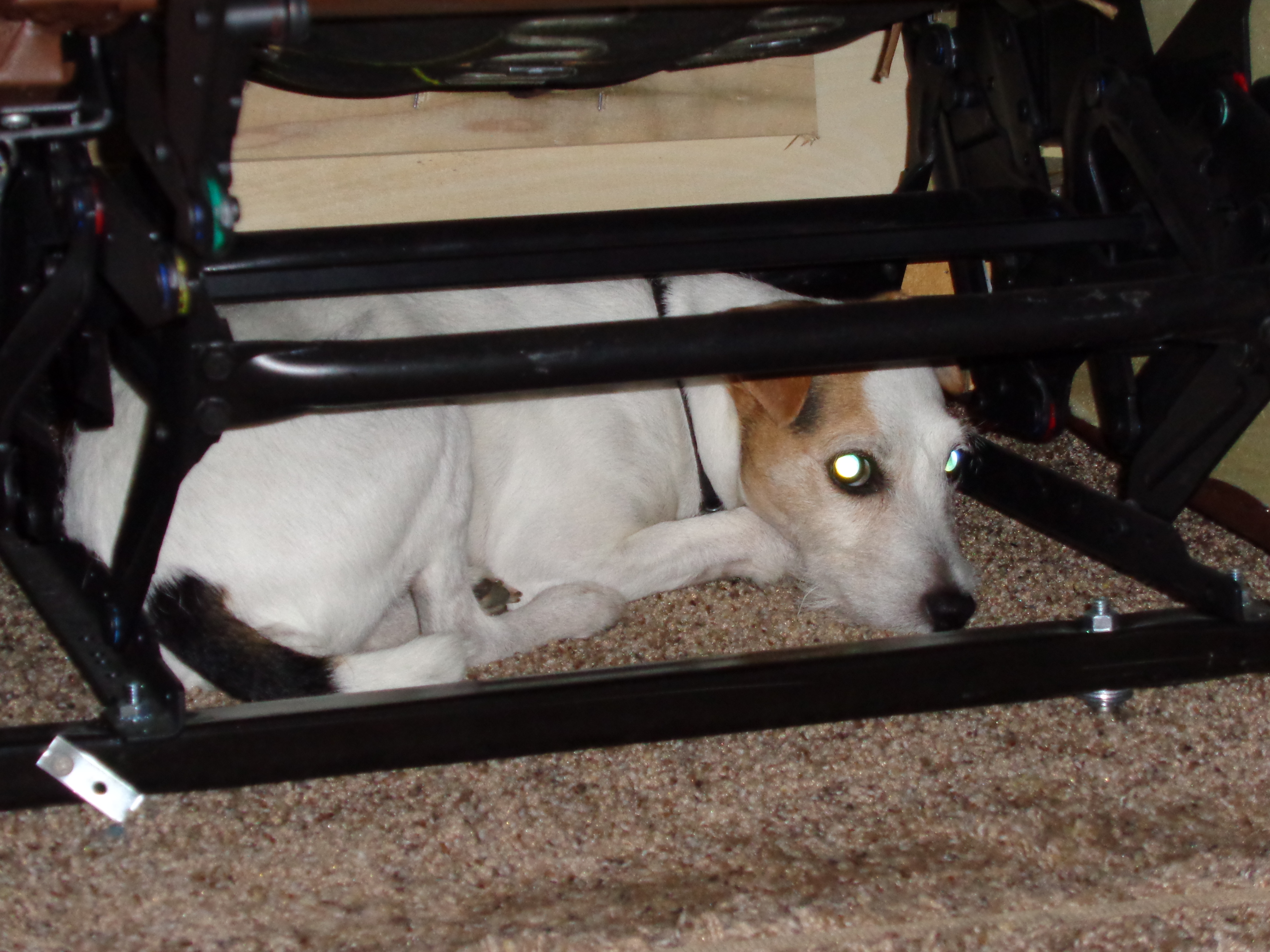
The one thing that I don’t like about the Black Hills area is the weather! It seems to rain every other day. And there are always thunderstorms and hail to go with the rain! I just get so scared, especially with the hail – it is too noisy! And for those that have been following my blog for awhile now, you know that I have been unable to find a “safe” place to hide in the 5th wheel. First I was banned from the shower…

storm shelter #1

Then from hiding under the recliner…


Makena banned

Makena banned

I really think whoever designs these recreational vehicles, should consider making a little cubbyhole where dogs and cats can hide out in bad weather. My dad thinks I should get some puppy headphones, so I won’t hear all the noise!

Other than that, I haven’t been up to too much. My parents have taken me out on a few long walks on the Mickelson Trail, but they are worried that I will do a ‘stop, drop and roll’ on the occasional horse poop that I discover along the trail!! (Remember this photo when I was left unattended for a few minutes?!)

stinky Makena

stinky Makena


I did have a visitor the other day, Mia, which I enjoyed. I first met Mia last summer at the Heartland Owners Rally in Goshen, IN. Her parents, George and Iris, are visiting the area and went out to lunch and to explore Custer State Park for a few hours with my parents. Now I’m just waiting to visit with Cooper, so Fred and Donna need to venture out this way!

IMG_20140702_134702_502 (1)


I hope everyone is doing well! If you get a chance, please come and visit me, as I love belly rubs!!

Quote for the day:  “Dogs don’t rationalize.  They don’t hold anything against a person.  They don’t see the outside of a human but the inside of a human.”  – Cesar Millan

Visiting museums in Keystone

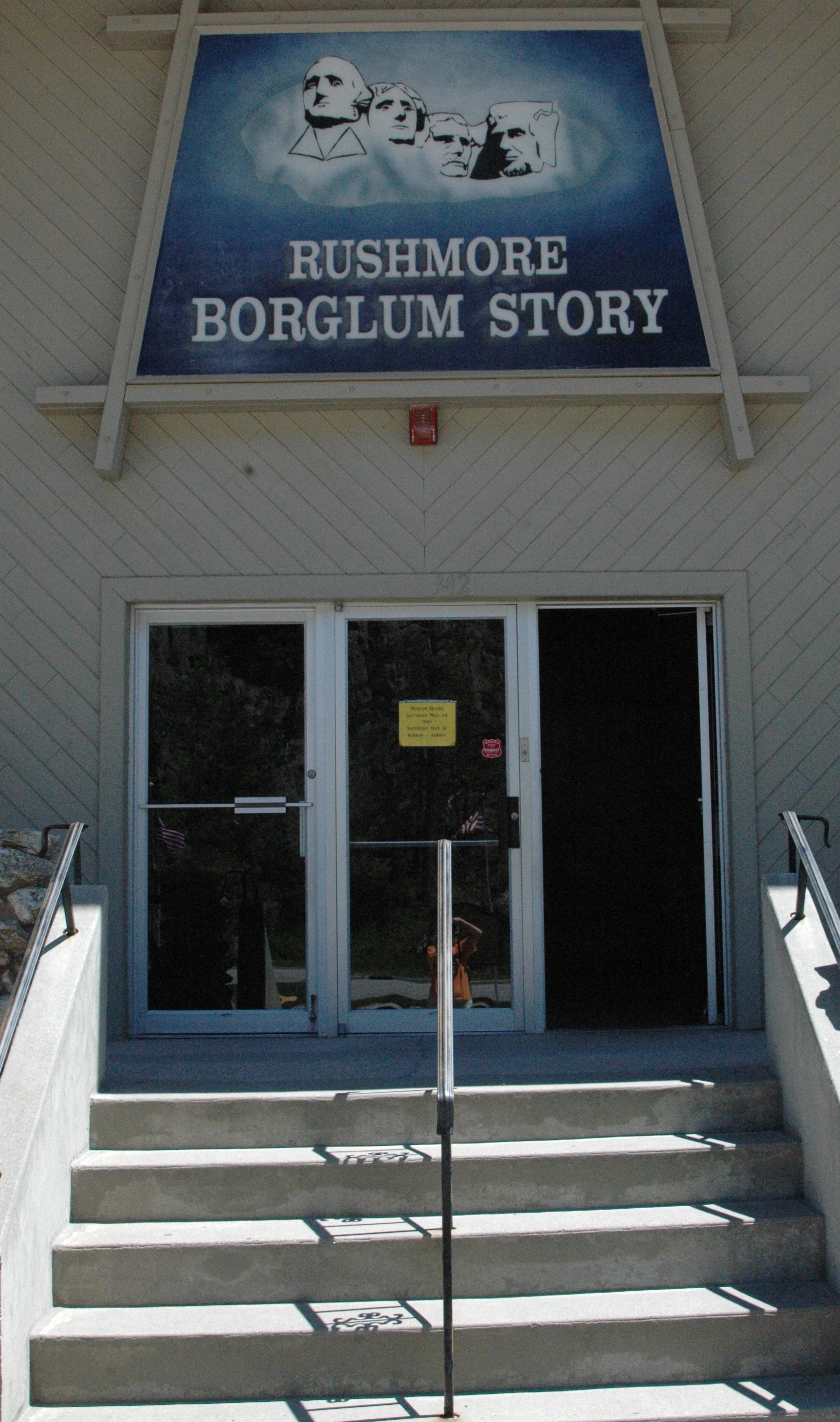
Dan and I both enjoy visiting museums, and our VIP pass covers many of them in the area. We opted to spend some time visiting two of them on our day off, Rushmore Borglum Story and The National Presidential Wax Museum, both in Keystone.

Many billboards advertising the Rushmore Borglum Museum state “best museum we saw in the USA”, so we had high hopes for this one. The museum is dedicated to the life of Gutzon Borglum, the sculptor of Mount Rushmore. Although very informative, it did not live up to its hype. The adult admission is $10.00 (free with VIP pass) which includes a hand-held audio device. You walk around the museum and punch in the code to each display, and there is a brief narrative on the items in the display case (photographs not permitted). At the end of the tour is a 20 minute movie that again goes over his life story. It took us about one hour to visit the museum.  You are not allowed to take photographs of the exhibits.

Rushmore Borglum Story

Rushmore Borglum Story

Prior to Mt Rushmore, Borglum worked on Stone Mountain, in Georgia. He started carving that mountain, but got into a dispute and blasted off the images he had completed.

Borglum was a big fan of President Lincoln, even naming his son Lincoln. He did this statue of Lincoln that is on display in front of the museum.

hanging with Abe

hanging with Abe


THE NATIONAL PRESIDENTIAL WAX MUSEUM

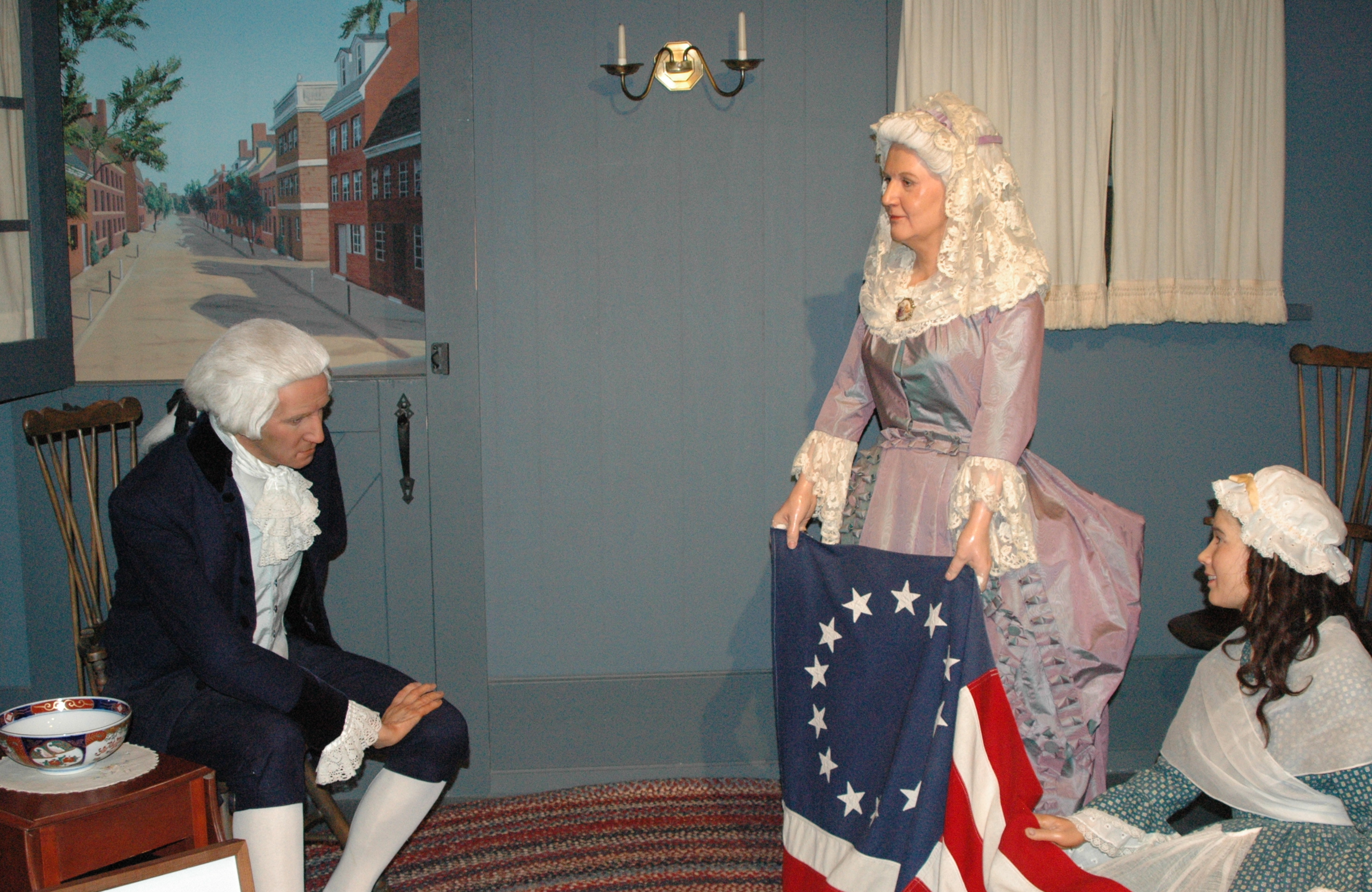
After our visit with the Borglum Story, we headed over to the wax museum, and were pleasantly surprised by the quality of this museum. If you have any interest in the history of our presidents, this is a good museum to check out. Adult admission is $10 (free with VIP pass), which includes a hand-held audio device. You start watching a video that details how the figures are created, then go to each exhibit which has a lengthy description of the president(s) in the display, and what was happening in the country during their term. If you listen to every story, it will take about 90 minutes to get through the museum.

Presidential Wax museum

Presidential Wax museum


The museum covers every president, from the first…

George Washington

George Washington

To the present…

Barack Obama

Barack Obama

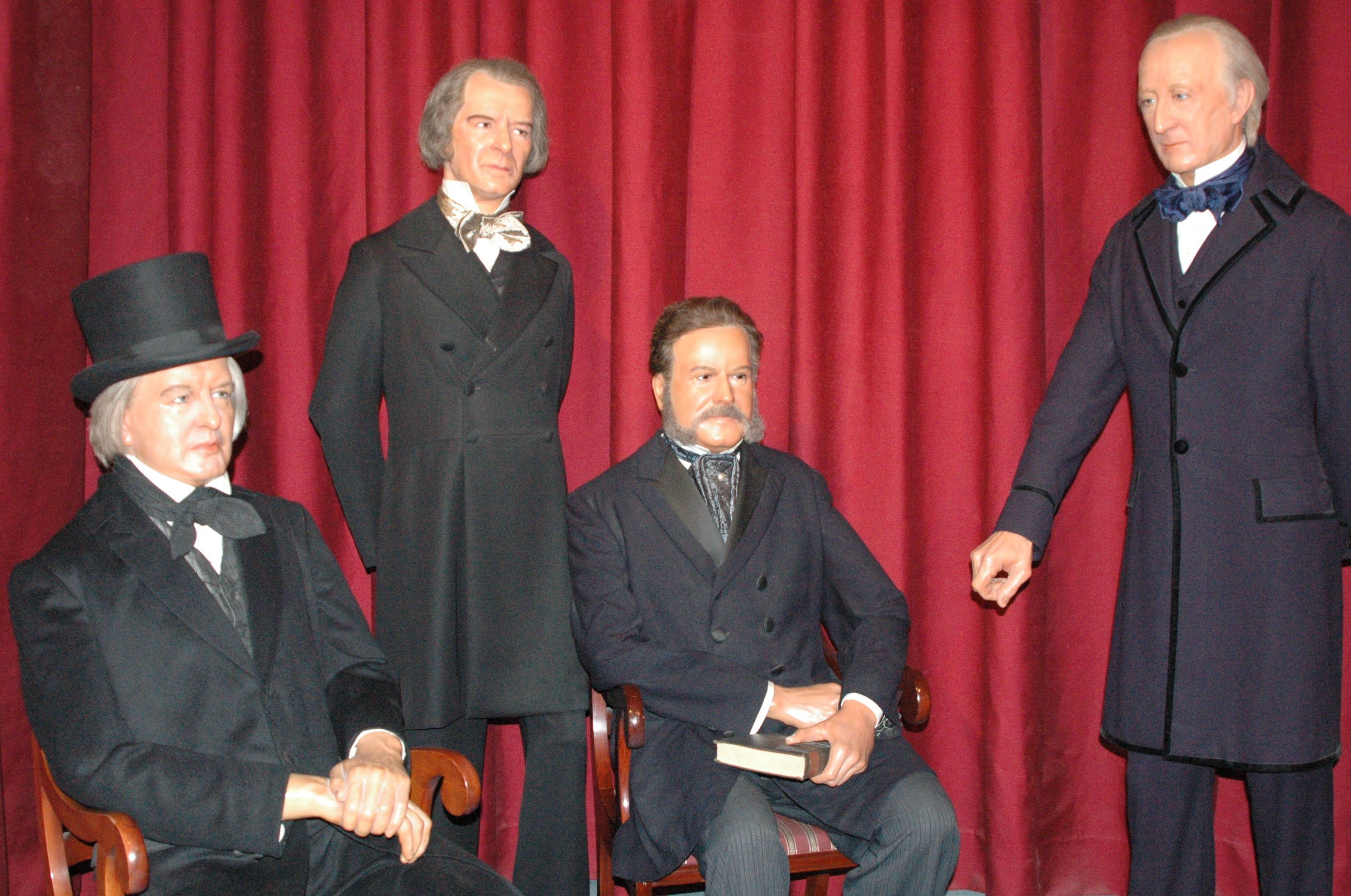
Some of the presidents are grouped together in displays, such as the five presidents who were never elected to the office of President.  The five are grouped into two parts, the four who were elected to the Office of Vice-President (left to right – Millard Fillmore, Andrew Johnson, Chester Alan Arthur, John Tyler).

The unelected presidents

The unelected presidents

And then there was Gerald Ford, the only man who not only was not elected as president, but was not elected to the office of vice president either.  Ford became the first person appointed as vice president, under the terms of the 25th Amendment, after Spirow Agnew resigned.

Gerald Ford

Gerald Ford

You all remember our 9th President, right?

William Henry Harrison

William Henry Harrison

He’s part of the reason for the creation of the 25th Amendment.  William Henry Harrison was the first President to die in office.  He refused to wear an overcoat during the inauguration, and died from complications relating to pneumonia, just 32 days after taking the oath.  I guess when you only make it 32 days, you get a very small display in the museum!

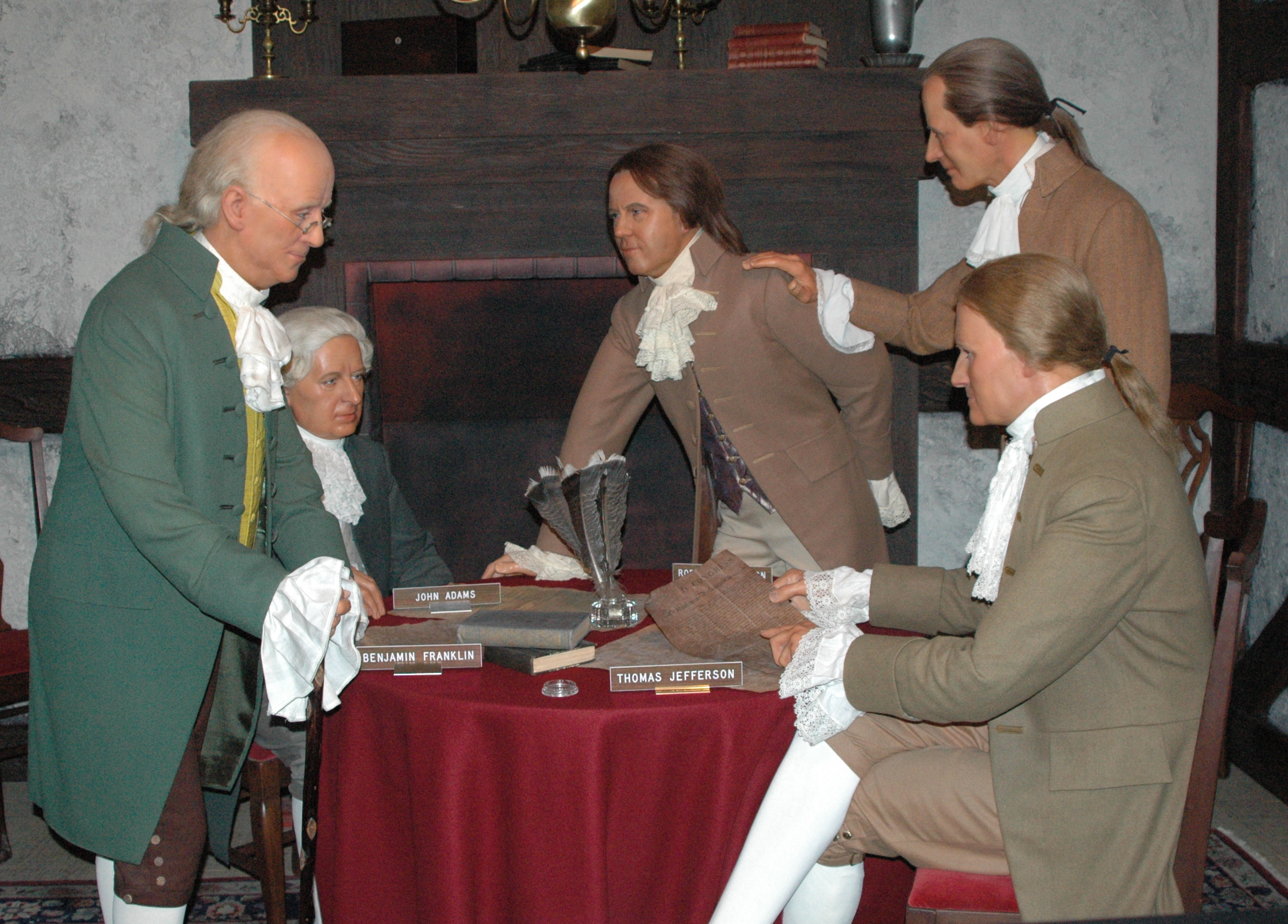
Of the five original drafters of the Declaration of Independence, two became Presidents: John Adams and Thomas Jefferson.

drafting the Declaration of Independence

drafting the Declaration of Independence 

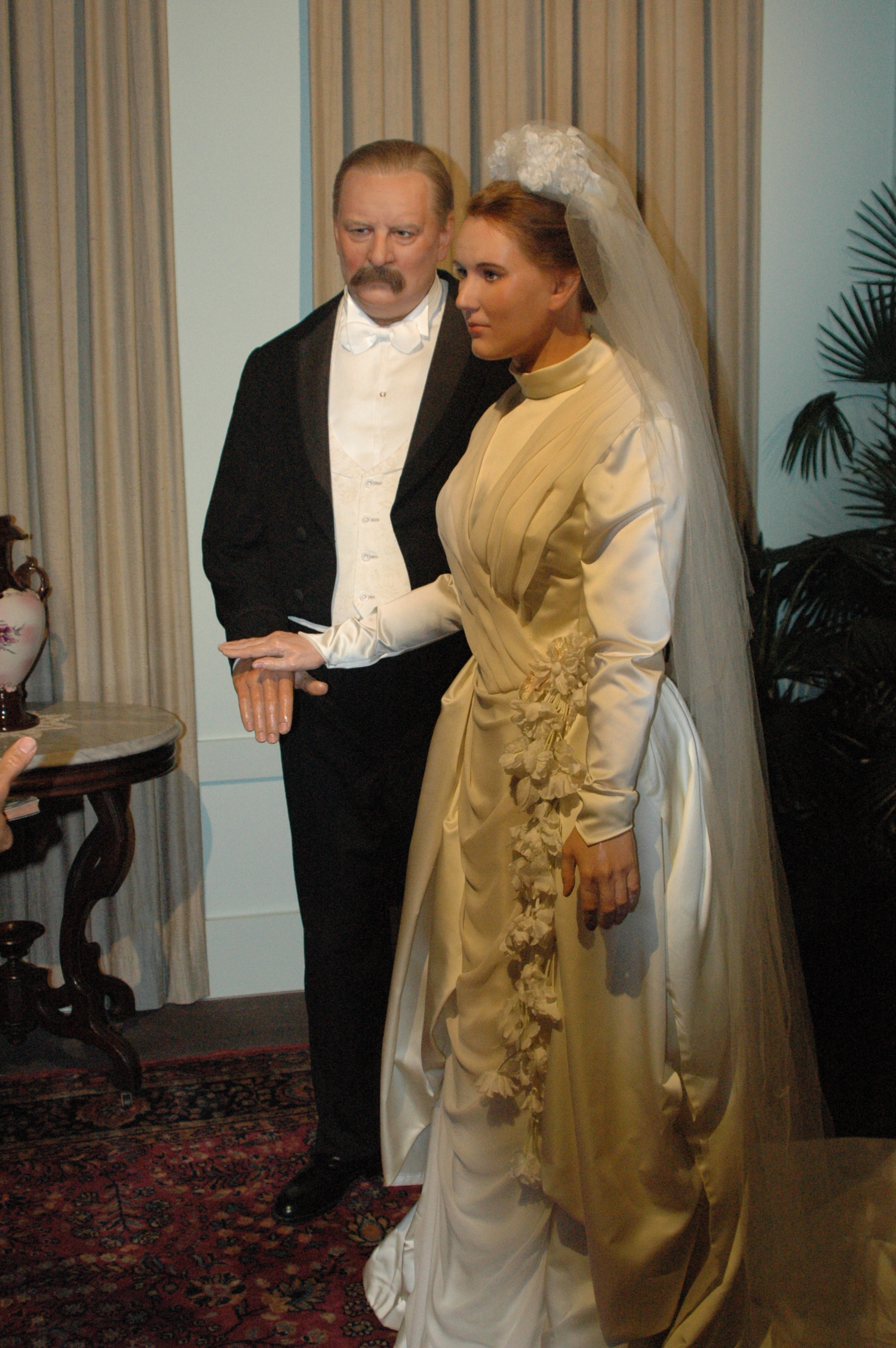
Grover Cleveland became the first President to marry during his term in office.

Grover Cleveland

Grover Cleveland

William Howard Taft is the only man who was both the President (#27) and Chief Justice of the United States Supreme Court (#10).

President & Supreme Court Chief Justice

President & Supreme Court Chief Justice

They had a display on President Kennedy

Kennedy & John Jr

Kennedy & John Jr

Along with a recreation of the scene on Air Force One where Lyndon B Johnson was sworn in as President, with Mrs. Kennedy, still in her blood soaked clothes, looking on. And did you know that Johnson was the only man to be elected as a Congressman, Senator, Vice-President and President?

Lyndon B Johnson

Lyndon B Johnson

We were impressed by the quality of the wax figurines, with one exception.  This display of Ronald Reagan with Mikhail Gorbachev.  Reagan is just staring up and over his head.   It seemed like he was going to be in another type of setting, and they just plunked him in this chair.

President Reagan

President Reagan

They also had a nice tribute to the first responders involved in the 9/11 tragedy.

9/11 tribute

9/11 tribute

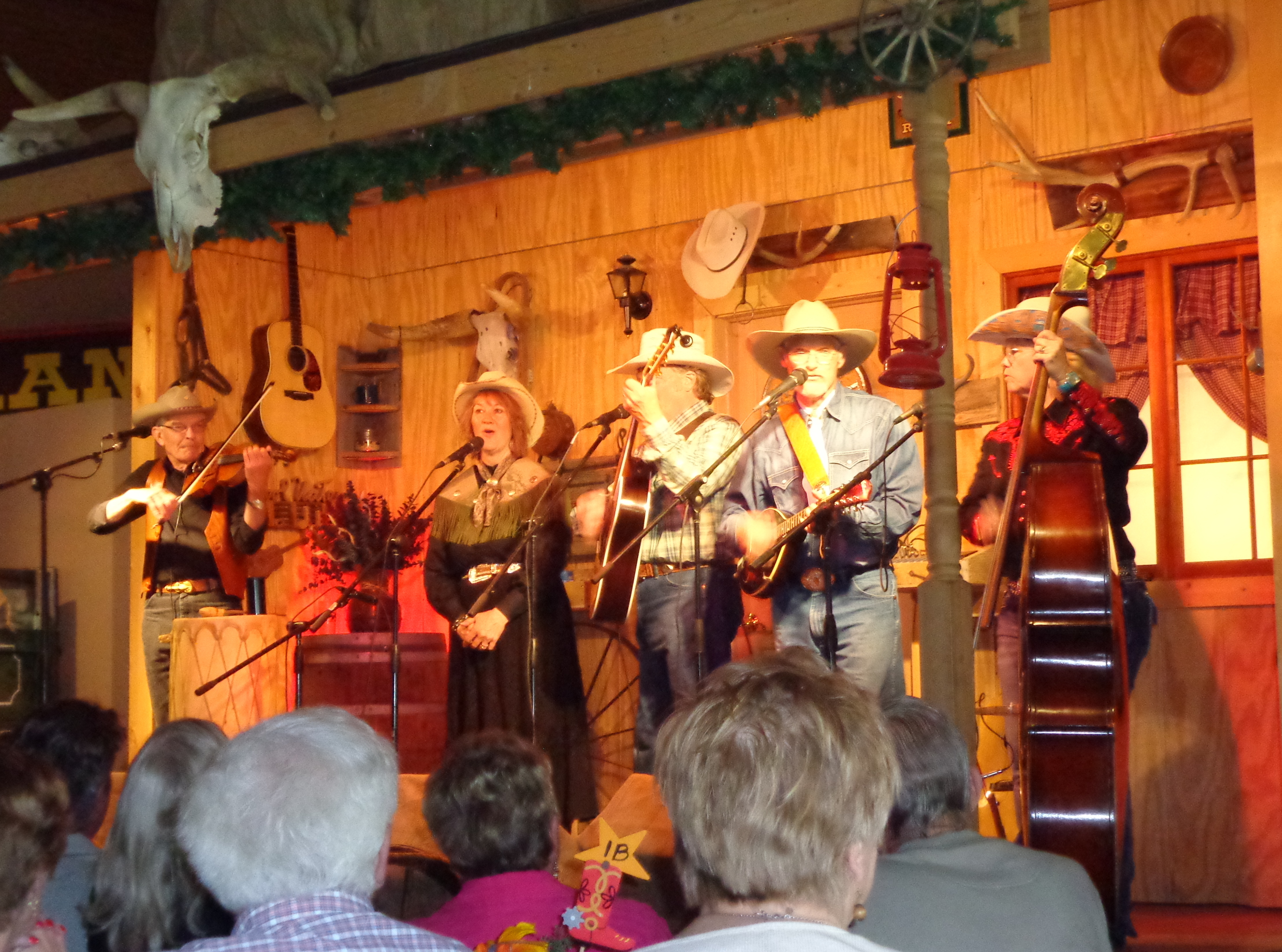
After soaking up all this history, we worked up quite an appetite, so we headed out to the Circle B Chuckwagon and Cowboy Music Show, in Hill City. As part of our VIP pass, we received 50% off the dinner/show, which normally costs $26.00 – $30.00 depending on your choice of entrée. Although the food was good (we had the combo platter of beef, BBQ chicken and buffalo), we were glad it was half price! Unless you have children, I would not recommend getting there when the place opens at 4:00pm, as there is really nothing to do. They have a lot of activities for the kids, and there is a “shoot-out” at 5:20, with dinner starting at 5:30pm. The Cowboy Music Show starts a little after 6, and ends by 7:00pm. The musicians did put on a nice 45 minute show with some cowboy music and a few family style jokes.

The Chuckwagon show

The Chuckwagon show

Quote for the day:  “No man who ever held the office of president would congratulate a friend on obtaining it.” – John Adams


Changing hours – more play time

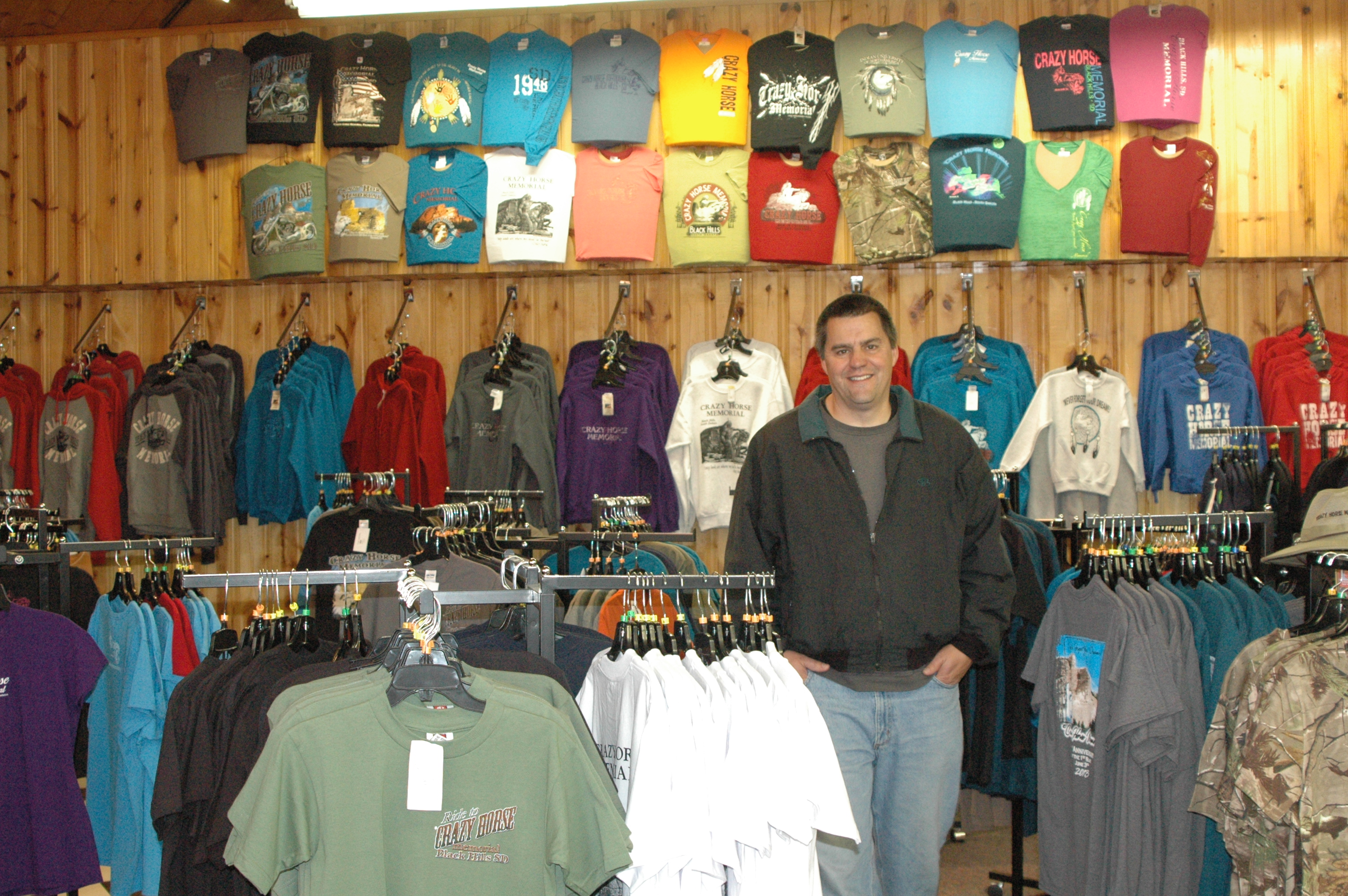
We are still plugging along with work in the gift shop at Crazy Horse Memorial. We were able to switch over to four ten-hour days, which will allow us more free time to play tourist, as well as keep up with laundry, grocery shopping and cleaning. For now, we will have off Wednesday thru Friday. With our new schedule, we will be able to do some things with Phil and Rudee on Wednesdays.

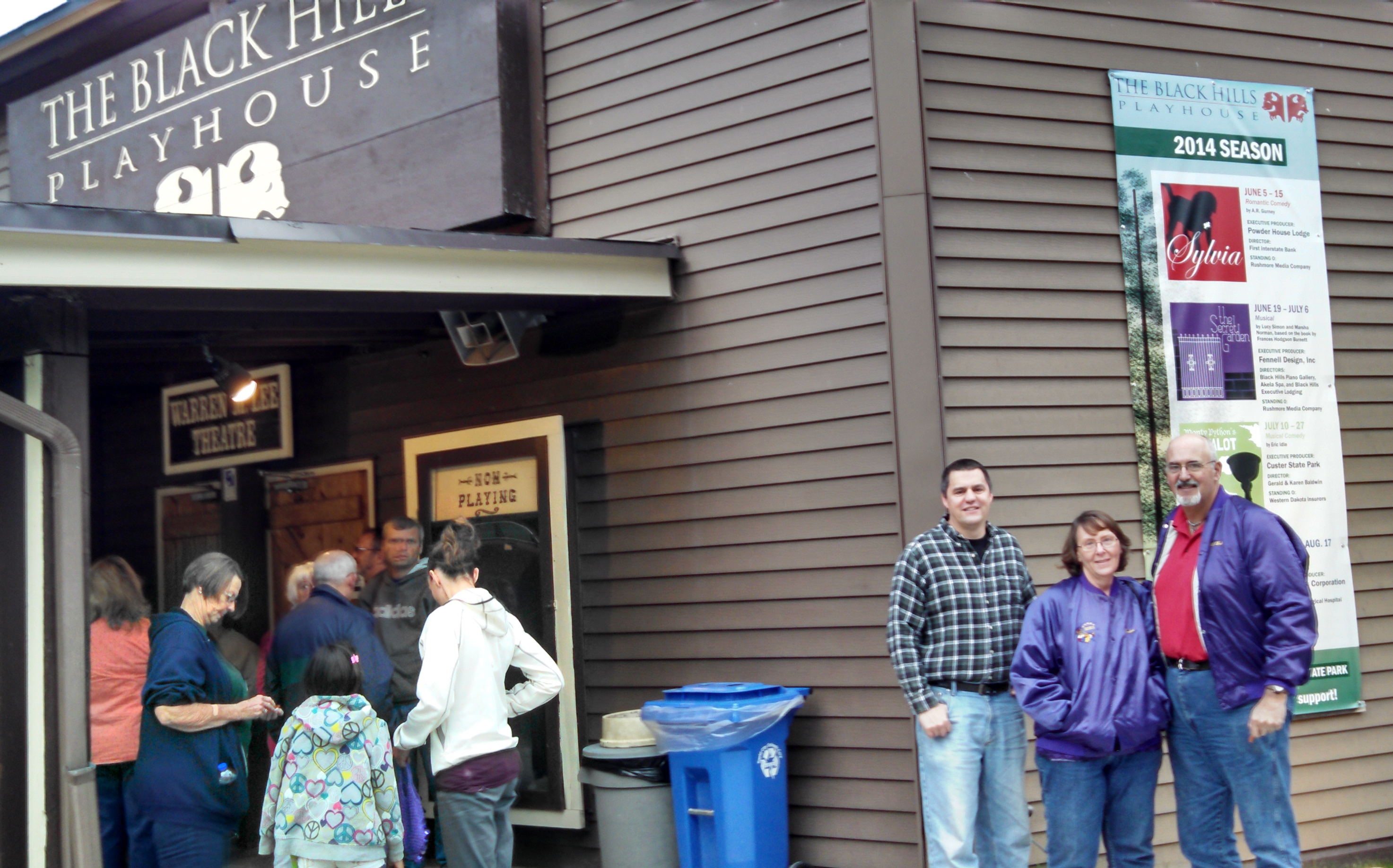
With our new day off, we went out to dinner and a play with Phil and Rudee. The Black Hills Playhouse, located in Custer State Park, is currently in its 69th season providing plays and events in the park.

Black Hills Playhouse

Black Hills Playhouse

Dan, Rudee and Phil

Dan, Rudee and Phil

This season offers four plays that run for about 2 weeks each. With our VIP pass, we are able to see the dress rehearsal performance that occurs the evening before opening night.(tickets are normally $32.00 for adults)  These are always on a Wednesday, so we will be able to see 3 out of the remaining 4 plays. We enjoyed the musical adaption of a 1911 children’s book, The Secret Garden. We were pleasantly surprised by the professional quality of the production, and look forward to the remaining two plays this season. If you are in the area, this would be a ‘must do’ item.

Of course, after our first week on the new schedule, they changed it up on us, and we ended up with a Sunday off. This allowed us to spend some time with Steve and Joan, learning some new card games, as well as joining in with a group of co-workers that go out for pizza on Sunday night in Custer.

Then our schedule changed back, and this past Wednesday we headed out to Hot Springs where Phil and Dan used their VIP pass on half-price golf at Southern Hills Golf Course, a very scenic and challenging course. Rudee and I opted for the more relaxing day at Evans Plunge, which is a natural spring of mineral water. The spring is now fully enclosed, and they have added two water slides, a ‘kiddie area’, rope swings, and a lap pool area. The spring is only 5 feet deep at the deepest portion, and the water is crystal clear, with a pebble rock bottom. This was another complimentary item on the VIP pass.

In the evening, we had reservations at Grand Magic in Custer, which was a fun, family-friendly magic show. (also free for us!  Can you tell we like to do all the free items?!)

We also had some visitors this past few weeks.  Pat and Diane, Amazon co-workers, stopped in at our park on their journey West for a few days.  They found us on RVillage.  Although we had to work, we did were able to spend a few hours catching up, and look forward to seeing them again this fall in Kentucky.

Gary and Pam, a couple that we met last June at a Heartland Owners Group rally, surprised us at work on a Saturday.  They have been following our blog, and were coming through the area and stopped in.  It was also fun catching up with them, and we will certainly see them down the road sometime, somewhere!

Quote for the day:  “The world is round so that friendship may encircle it.” – Pierre Tielhard de Chardin


Mammoth Site

We headed down to Hot Springs to visit the Mammoth Site (cost $10 for adults, free with our VIP pass). In 1974, a developer was beginning to clear land for a housing development when the bulldozer uncovered some bones.  They discovered the bones were from Columbian Mammoths, estimated to be 26,000 years old. Through local donations, the site was preserved and declared a National Natural Landmark in 1980.  A building was constructed around the site, and is open year round to visitors.

It is believed the site was a giant sinkhole, fed by natural springs. Mammoths, bears and other animals entered the watering hole, but were unable to get back out due to the steep embankments, and eventually drowned or starved to death. Mammoth Site is the only in-situ (left as found) site for mammoth bones in the United States.

Mammoth Site

Mammoth Site

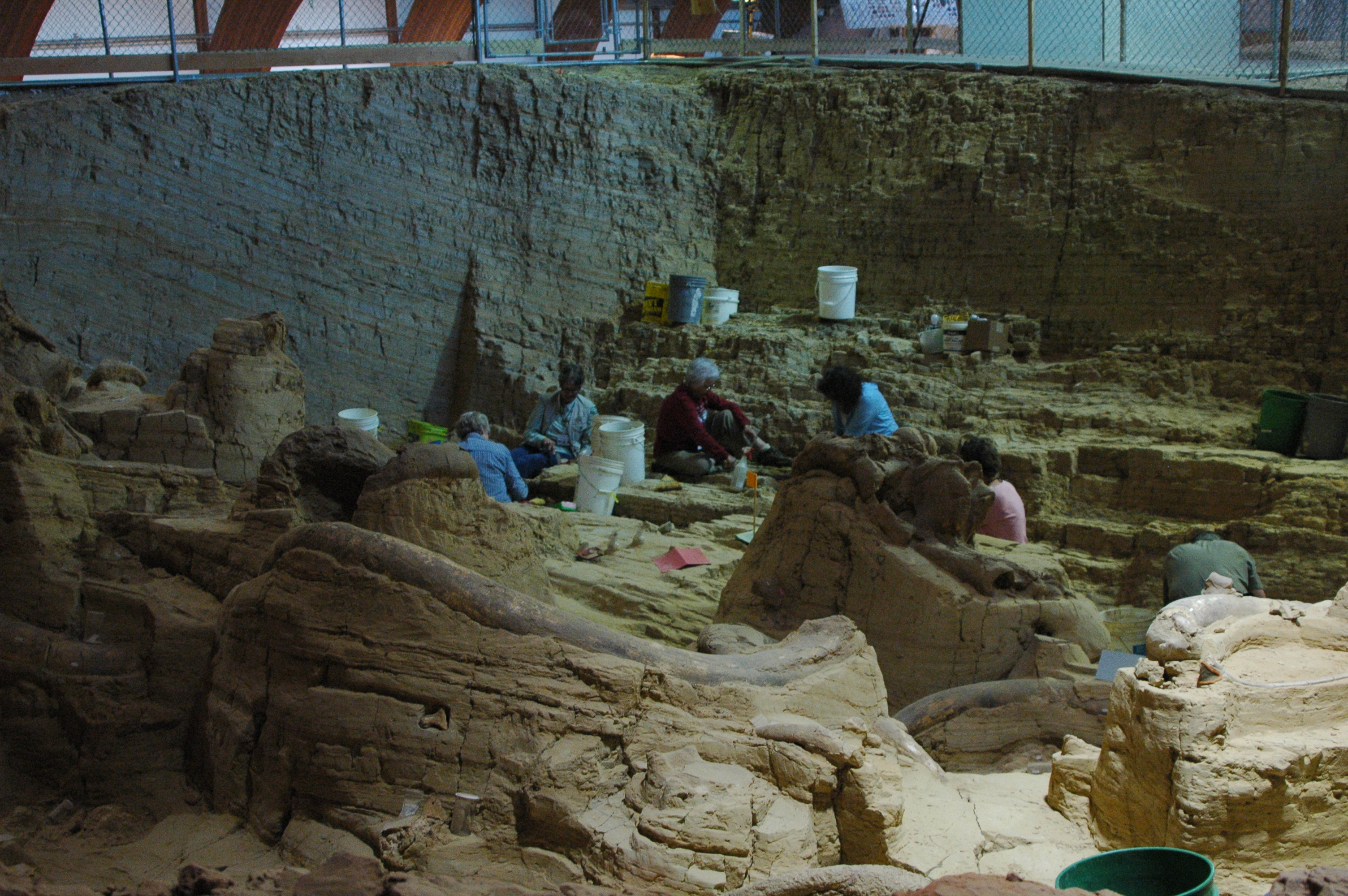
They are continuing digging at this site, and have discovered many more bones over the years.   A tour guide explains the many points of interest on the site, and then you are free to explore on your own in the indoor excavation site, as well as an exhibit hall. We found this to be a very interesting and informative exhibit. At the time of our visit, there were volunteers who were painstakingly digging through the dirt. The buckets of dirt they would collect would be carefully washed, to discover any small remains.

overview of dig site

overview of dig site


They have left most of the bones where they have found them.

DSC_0745

They unearthed a large mammoth that had no head, despite digging all around it.  The Paleontologist have no explanation as to what happened to the head, and named the mammoth Marie Antoinette.  When they discovered the mammoth was a male, they renamed him Murray Antoinette, in keeping with the be-headed theme!


volunteer diggers

volunteer diggers

These are the tools that the volunteers were using.  It is very tedious work.

Tools of the trade

Tools of the trade

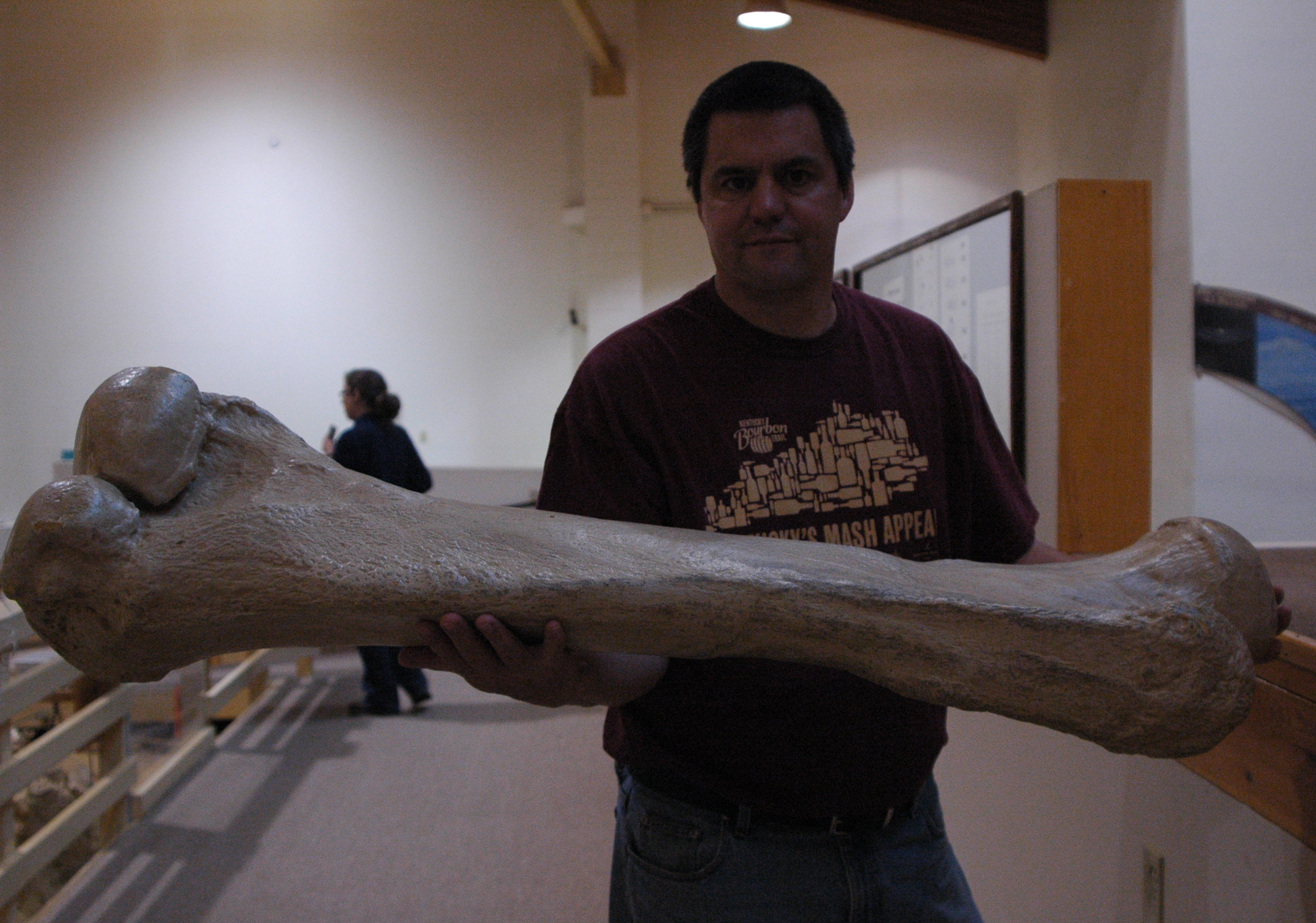
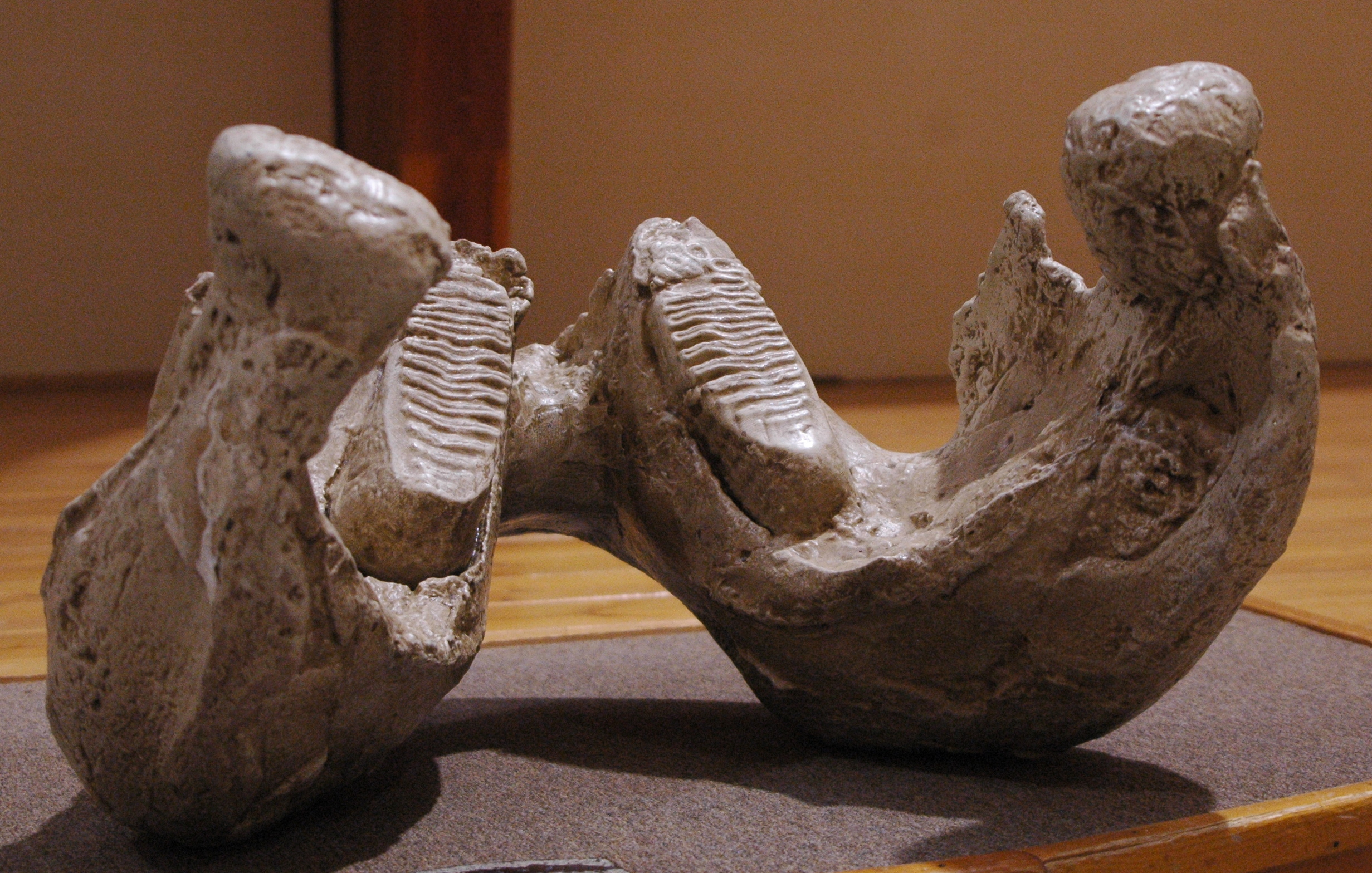
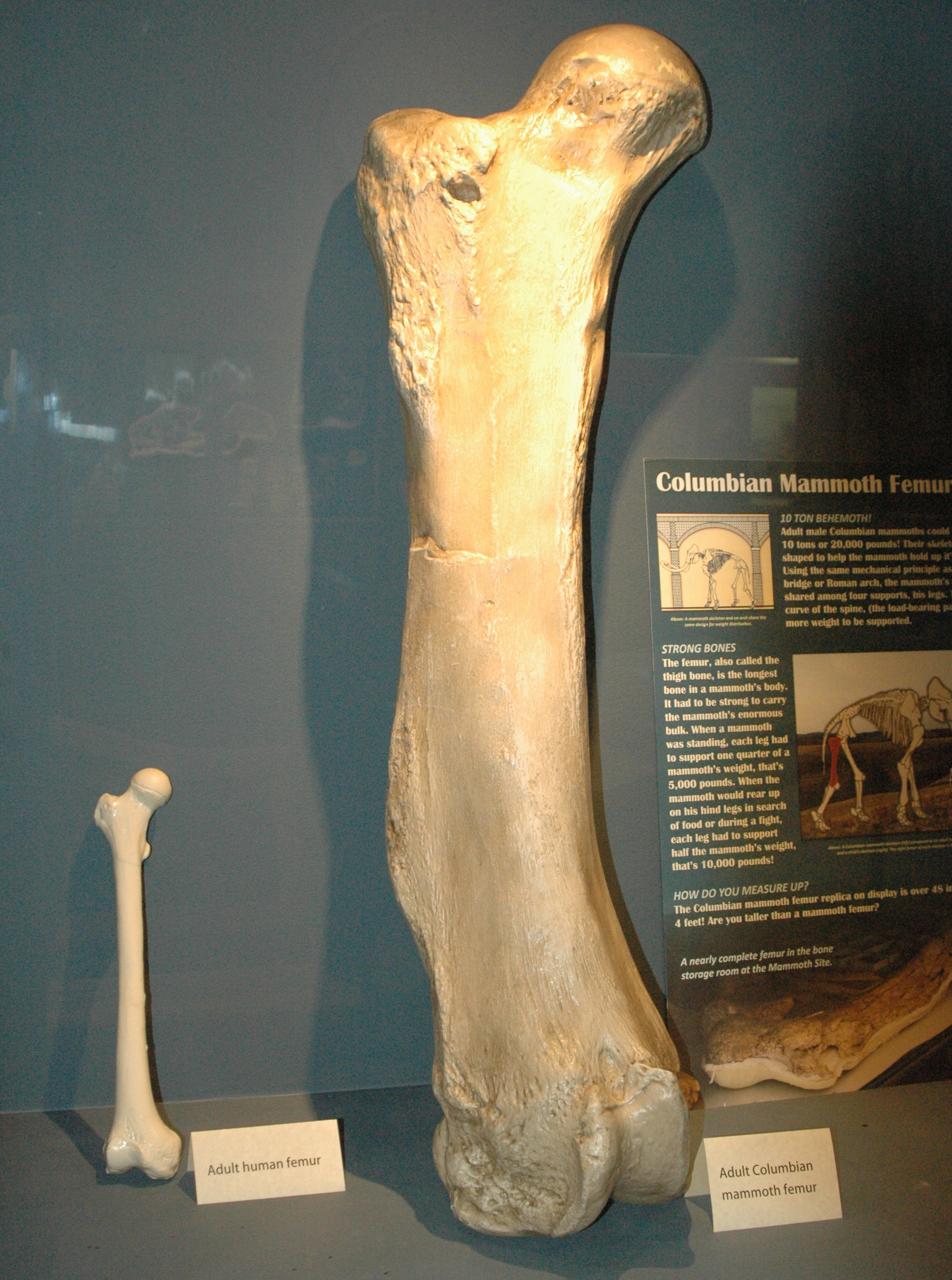
They had some body parts on display to give you they idea of how big the bones are;

DSC_0774 (1)

mammoth mandible

mammoth mandible

human v mammoth

human v mammoth

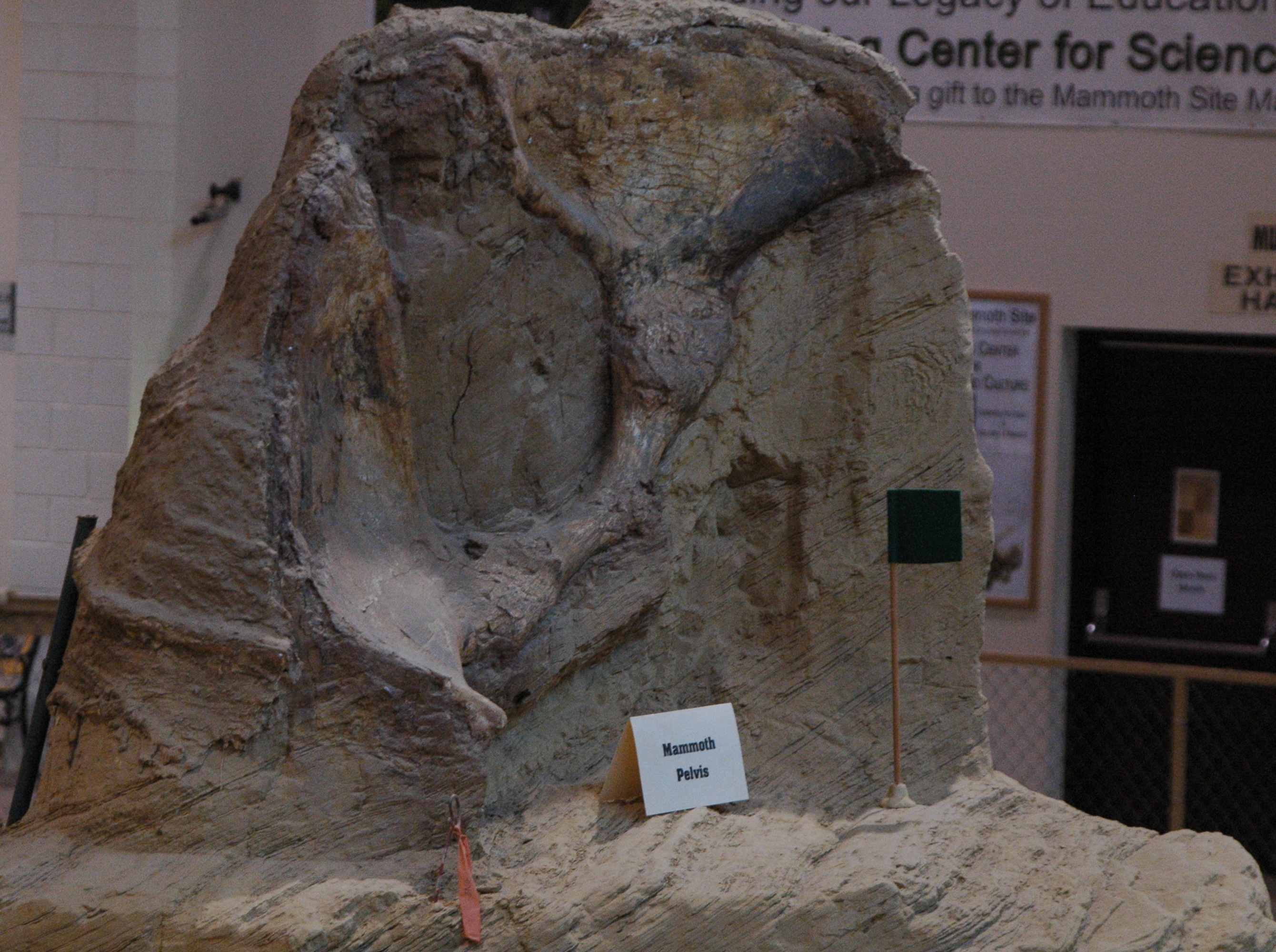
This is part of a pelvis that is left intact in the grounds.

mammoth pelvis

mammoth pelvis

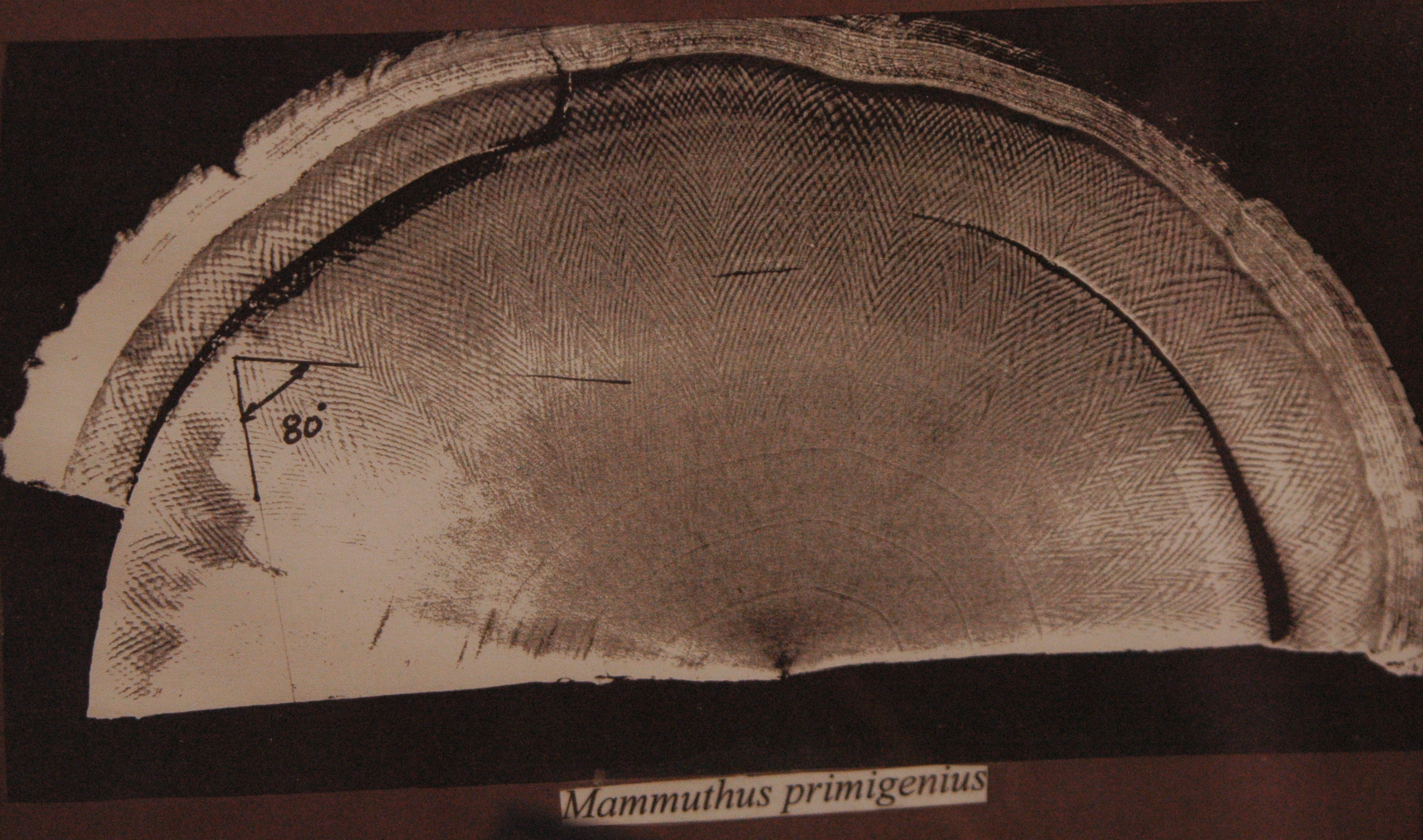
In order to determine what types of mammals they are, the scientists study the angle of the tusk (yes, another Math lesson).  There is something called Schreger Lines, which will determine if the tusk is from an elephant (obtuse angle – greater than 90 degrees) or a mammoth (acute angle – less than 90 degrees).

elephant tusk

elephant tusk

mammoth tusk

mammoth tusk

And then there’s the histogram on the tusk angles. (okay, enough math!)

histogram

histogram

We enjoyed our visit, and would recommend this place if you are in the area, or visiting nearby Wind Cave.

Quote for the Day:  “There is no good scientific reason to bring back an extinct species.  Why would one bring them back?  To put them in a theme park?” – Hendrik Poinar


Wind Cave National Park

One of the benefits of working in the tourism area in the Black Hills is the V.I.P. pass that we receive. The pass is for Visitor Industry Partners (VIP) and allows us free or reduced admission for many of the attractions in the area. This way when a visitor asks “what else is there to do”, we can tell them about the other attractions from our own experience. It’s a very smart marketing idea, and we plan on taking full advantage of our pass on our days off.

Our first stop was to Wind Cave National Park. The park offers five different cave tours in the summer. As part of the VIP pass, we received a complimentary Natural Entrance Tour (normally $12.00 per adult), which is the one tour available year round. Admission to the park is free, and they do have a campground.

Wind Cave

Wind Cave


Wind Cave covers over 29,000 acres, with 70 percent natural prairie grassland and 30 percent forest. It is home to many species of animals, including a growing herd of bison. But the main attraction are the cave tours. The cave was first discovered in 1881 by two brothers, Jesse and Tom Bingham, who were out hunting deer. When they heard a loud whistling noise, they followed the sound and discovered a hole in the ground that was blowing air so strong it knocked Jesse’s hat off. The original entrance to the cave is no longer used, as it has a 90 degree turn right when you enter. As such, there is no evidence that bats or animals have entered the cave, because it would be a difficult entry way. At a constant 58 degrees the cave is also too warm for bats to live because they need colder temperatures to hibernate. Dan’s Mom would be happy to know there are no bats in the cave!

This is the original entrance to the cave.

Original entrance

Original entrance


The wind, which gave the cave its name, is created by the difference in barometric  pressures inside and outside the cave. On the day we visited, the wind was blowing in to the cave, as demonstrated by this Park Ranger’s red piece of tape.

winds blowing in

winds blowing in


The Bingham’s told others in town about their discovery, but there is no evidence they explored the cave further. In 1890, 16-year-old Alvin McDonald began exploring the cave, using candles and string (so he could find his way back out). He kept a diary of his daily explorations, which the Park Service has, and uses to document the history of the cave. The McDonald family blasted open passages to the cave and offered tours for a fee, along with selling specimens from the cave. In 1893, Alvin traveled to Chicago to display specimens at the Columbian Exposition, and to market the cave for tourism. Alvin came down with typhoid fever at the Exposition, and passed away in December, at the very young age of 20.

A land dispute erupted between the McDonald family and a mining company (there was no gold found in the cave), and eventually the government stepped in and took control of the cave. In January of 1903, President Theodore Roosevelt established Wind Cave as the seventh National Park (and the first cave), forever protecting the park for future generations.

Studies of the barometric pressure of the cave have estimated that only a small percent of the cave has been discovered. The Park Service is continuing to explore the cave, and it has been “growing” as they continue to find new passages. Right now, there are 141 known miles of the cave, all covering just one square mile of surface area. (ponder that math fact…!)

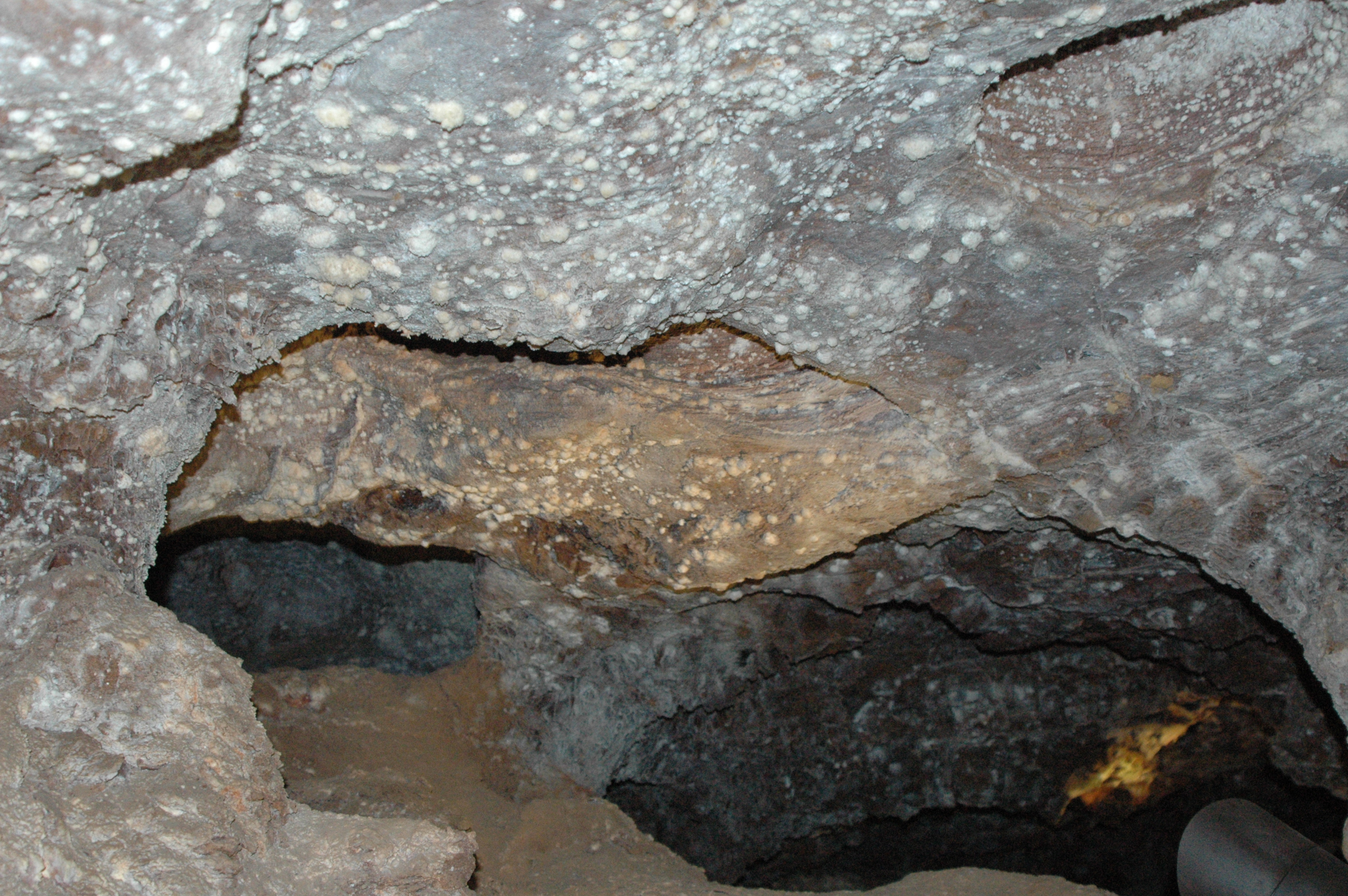
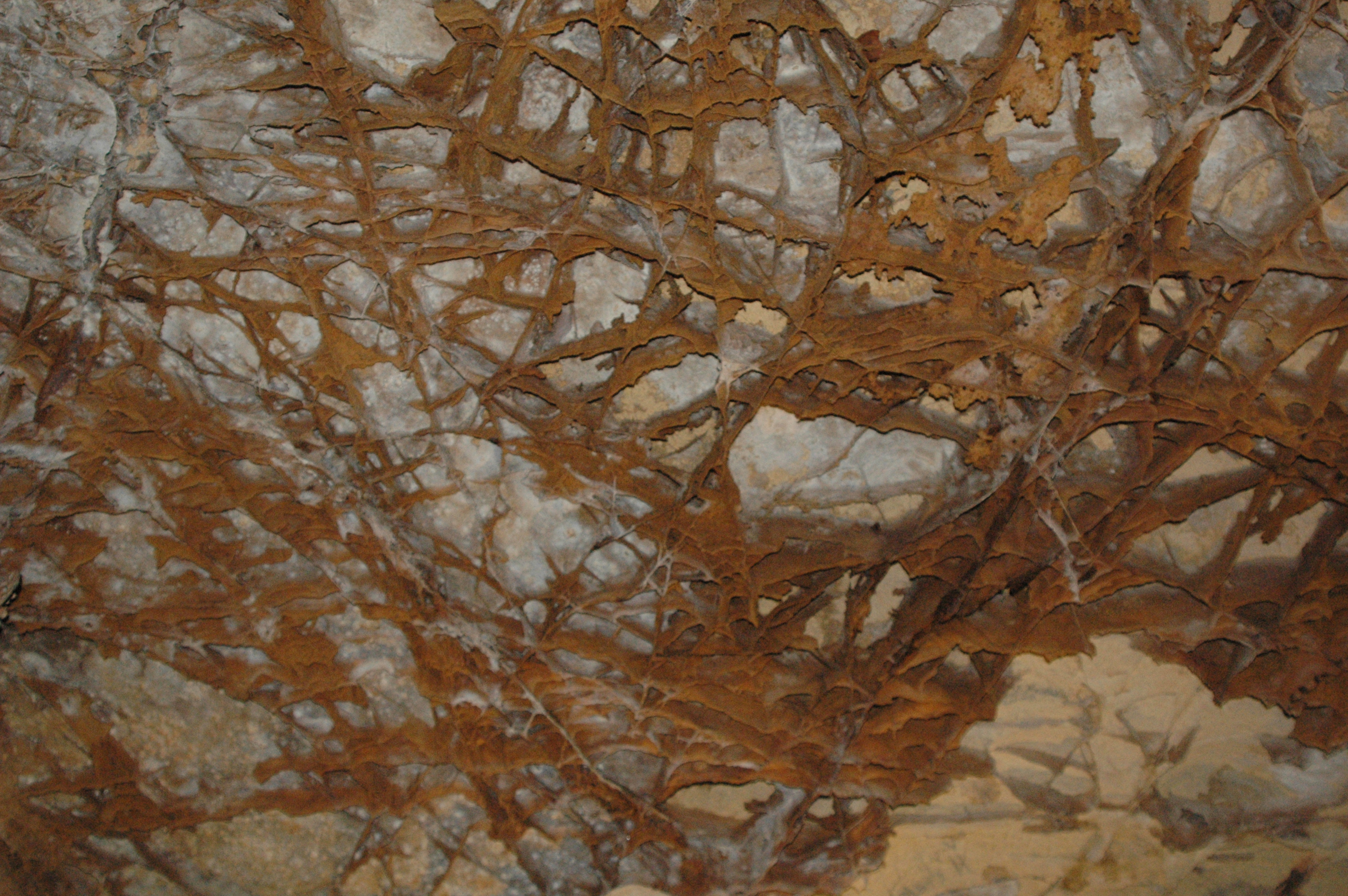
Wind Cave is famous for formations of Popcorn, Frostwork and Boxwork. Ninety-five percent of all the known Boxwork in caves around the world is found at Wind Cave. On our tour, we saw a lot of Boxwork, and a little Popcorn and Frostwork. The Popcorn and Frostwork is more prevalent in other parts of the cave that can be seen on other tours. Stalagmite and Stalactites are not common in the cave, as it is considered to be a dry cave. The visitor’s center has excellent specimens of the Popcorn and Frostwork, so the following are photographs of the specimens.

Popcorn is formed when small deposits of Calcium Carbonite seep through the limestone.

Popcorn crystals

Popcorn crystals

This is the Popcorn that we saw on part of our Natural Entrance Tour:

Popcorn in the cave

Popcorn in the cave

Water seeps through the porous rock, evaporates, and leaves behind aragonite crystals, called Frostwork.

Frostwork formations

Frostwork formations

We saw one area that had a little frostwork:

frostwork inside the cave

frostwork inside the cave

The Natural Entrance Tour that we took is about 90 minutes in length, and has about 450 stairs to negotiate. It was a rather easy tour to navigate, and we did not feel too enclosed. We would recommend this tour as it was very informative. There was a part in our tour where the Park Ranger turned off all the lights, and lit a candle, so we could see what the early explorers were dealing with. For those so adventurous, they do offer one tour that is strictly by candlelight, so you can experience what touring the cave was like when it was first discovered. They also offer a very strenuous four-hour tour which involves a lot of crawling through narrow passages, so you do need to meet certain “width” restrictions!

The Natural Cave Entrance tour has some narrow passages….

watch your head!

watch your head!

But also some large rooms where everyone can fit, and the rangers will spend several minutes talking about the history of the cave.

wide open rooms

wide open rooms

Boxwork is what this cave is known for, and we saw many examples on the ceiling of the cave.  Boxwork is a honeycomb formation of thin calcite fins that protrude from the walls and ceilings of the cave. The Park Ranger explained that when they were first exploring the cave, using candles, the Boxwork initially looked like giant spider webs.  That is what is documented in the diaries they have of the early cave explorers.

Boxwork formations

Boxwork formations

Photographs of caves are not the best way to see a cave.  We definitely would recommend a visit to Wind Cave (remember…no bats!)

inside wind cave

inside wind cave


Quote of the Day:  “The cave you fear to enter holds the treasure you seek.  Fear of the unknown is our greatest fear.  Many of us would enter a tiger’s lair before we would enter a dark cave.  While caution is a useful instinct, we lose many opportunities and much of the adventure of life if we fail to support the curious explorer within us.” – Joseph Campbell

A day of play at Custer State Park

In mid-May, the state of South Dakota waives admission fees to all their state parks, as well as having free fishing, so we took advantage of our day off and spent the day at Custer State Park for fishing and exploring. Custer Park covers 71,000 acres and is home to the largest free-roaming bison herd, estimated at 1300 (and growing). There are over 60 miles of hiking and horseback trails available, and four man-made lakes for fishing, swimming and boating. There are several campgrounds, and lodges for rent.

The State Game Lodge is one of the many lodges available for rent. This one is the most famous in the park, because President Calvin Coolidge came for a visit and ended up spending the entire summer in 1927. It became known as “the summer White House”. President Coolidge was impressed by how much fish he would catch every day, not knowing that the park rangers were stocking the lake each night!


State Game Lodge

State Game Lodge

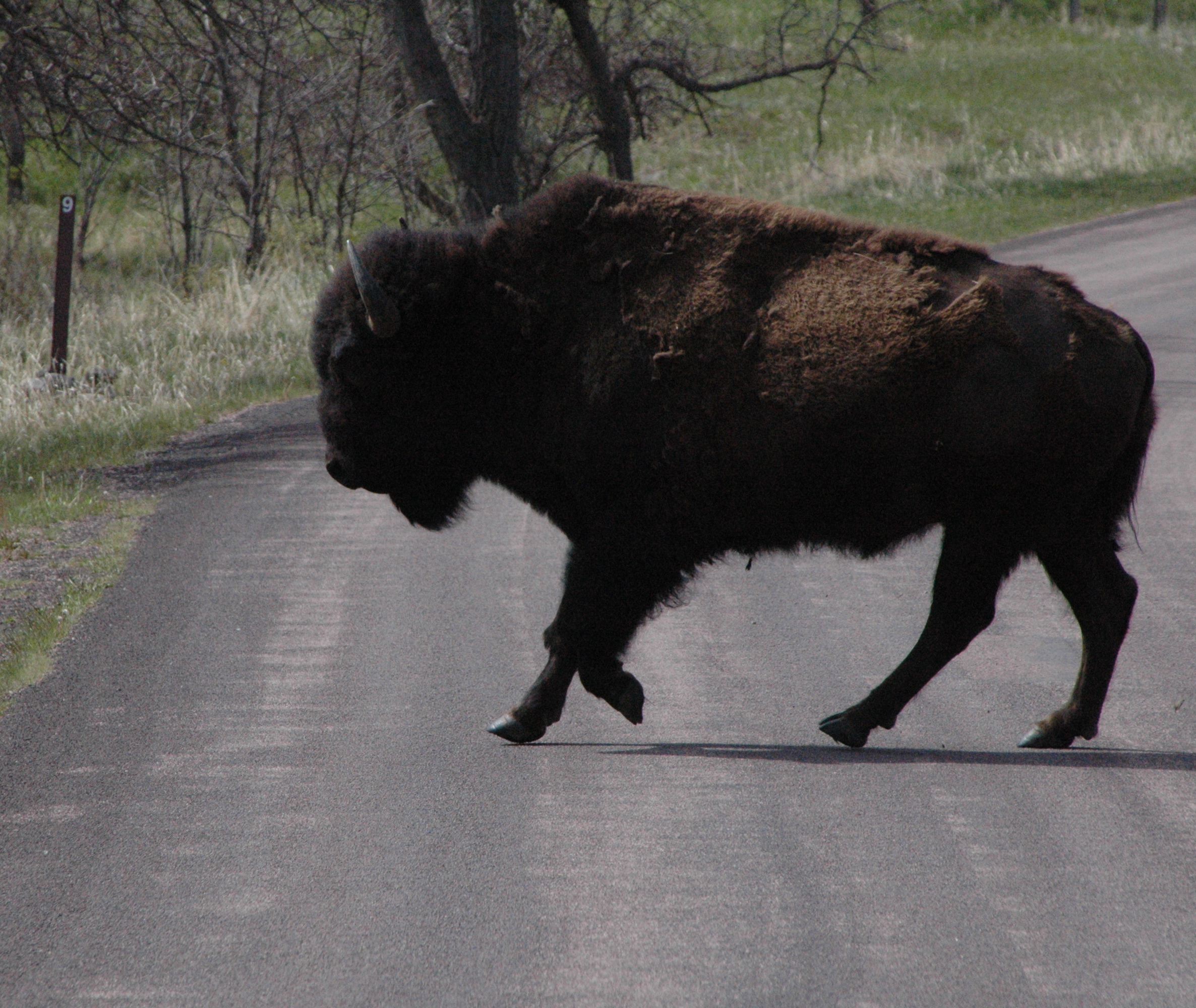
We started out our day out driving on the 21 mile long Wildlife Loop Road, where we saw many buffalo.

DSC_0436 (1)


where the buffalo roam

where the buffalo roam

Sometimes you just have to stop and wait for the big guys to pass.


coming thru!

coming thru!

We also saw many newborn buffalo, as this is certainly a growing population in the park.


wait up Mom!

wait up Mom!

Pronghorn  are also present in the park, although this was the only one that we saw during our visit. We watched him or her stop and dig a hole, then poop in it….thought that was rather polite!


Pronghorn

Pronghorn

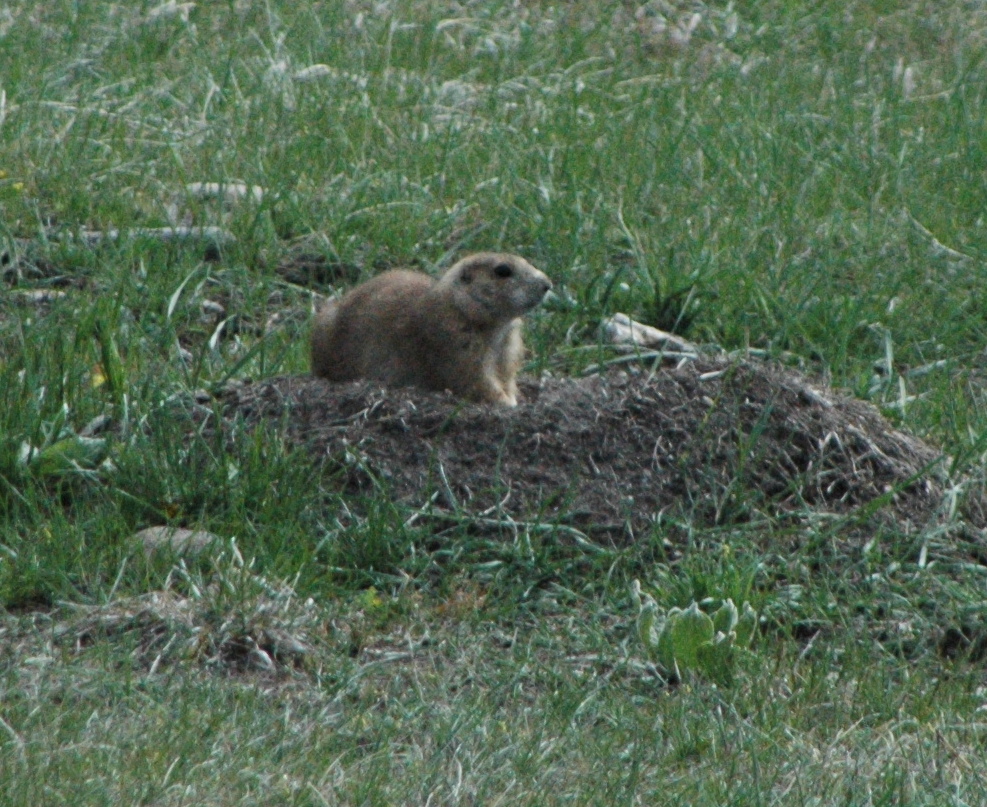
And there are lot’s of prairie dogs roaming around as well.

prairie dog

prairie dog

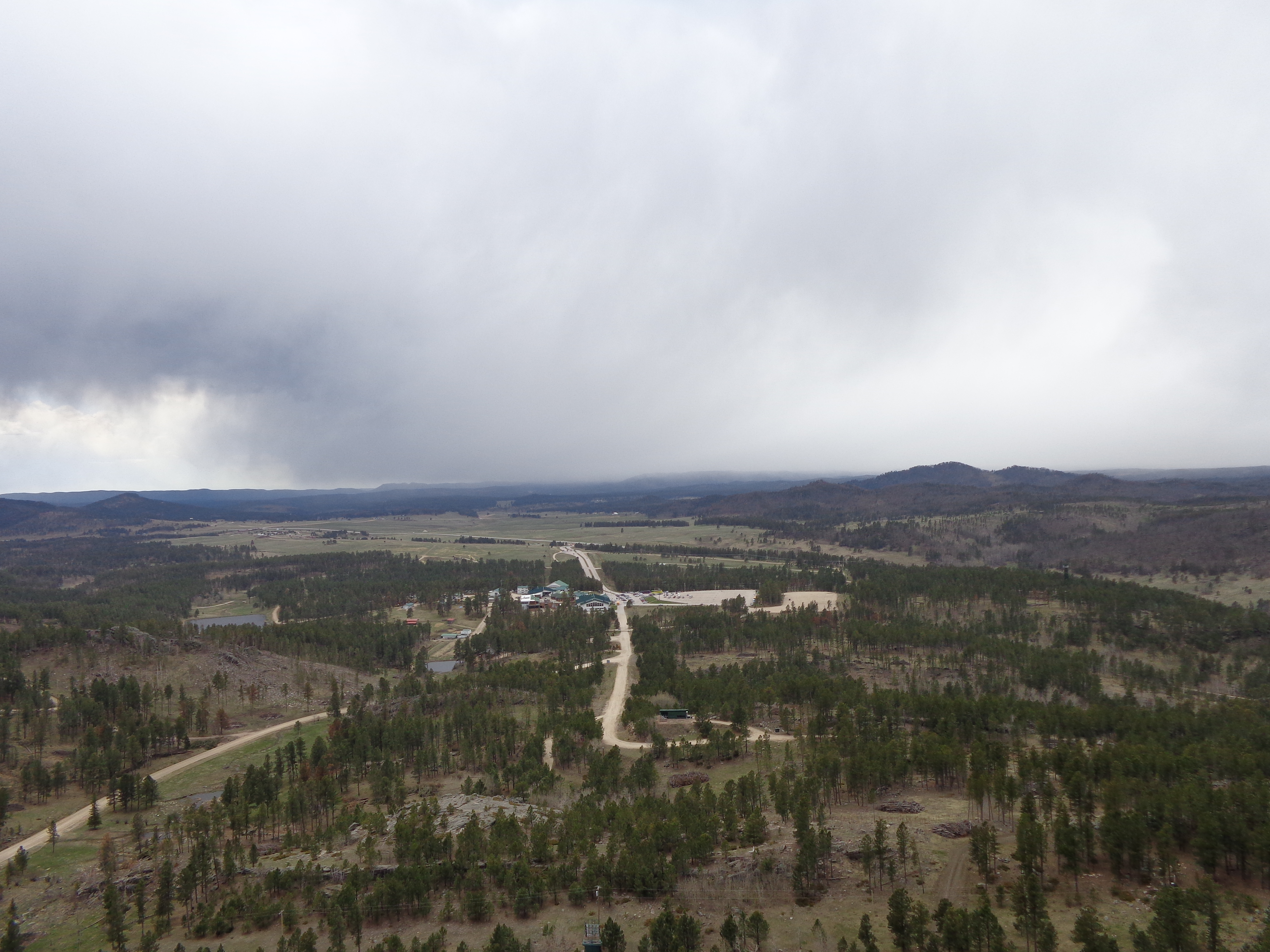
After the loop, we headed up to the Mt. Coolidge Firetower and Lookout, which is at an elevation of 6023 feet. You can drive your vehicle all the way to the top, but be cautioned it is a gravel, narrow road without shoulders. I was hanging on tight to the door handle all the way up, hoping no one was on the way down, when I started to wonder why we grip tightly to door handles. If we went over the edge, would this really save me?! The view at the top was spectacular, although it was obstructed by four cell towers surrounding the lookout (although we found we can get 5 full bars of 4G!)

wonderful views

wonderful views

strong 4G here!

strong 4G here!


We ventured on and headed over to Center Lake, to try our luck at fishing. We had a nice spot in the ‘day use’ picnic area.

Center Lake day use area

Center Lake day use area


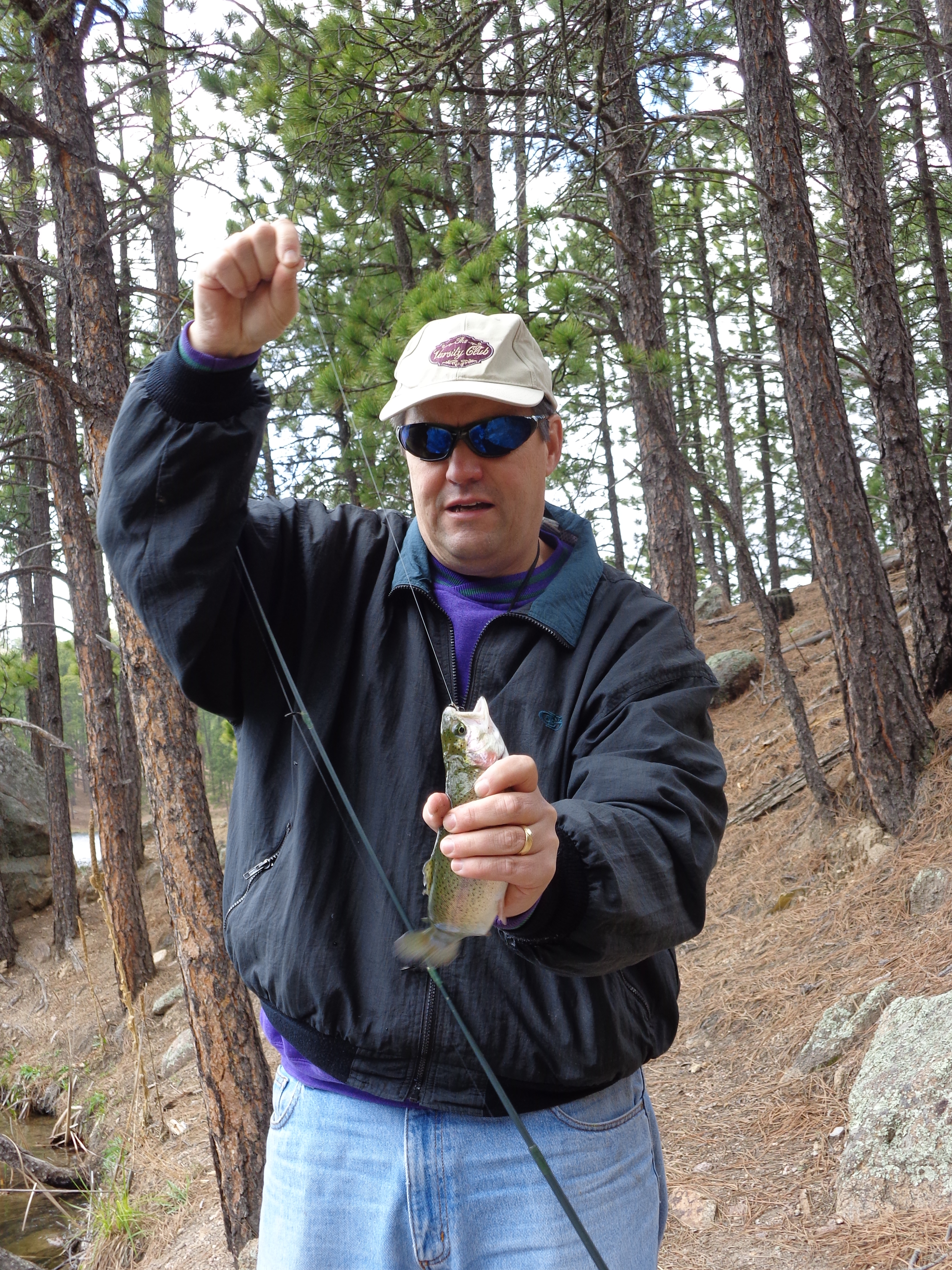
I did not have any luck, but Dan managed to catch a few rainbow trout. They were too small to keep, but we will eventually get our fishing licenses and come back again. Looking forward to some tasty grilled trout this summer.

not a keeper :(

not a keeper 😦

shut out!

shut out!

Dan tried a few areas to fish in, while I went off exploring (Dan’s on the right of the picture below)

nice spot to fish!

nice spot to fish!

NEEDLES HIGHWAY SCENIC DRIVE

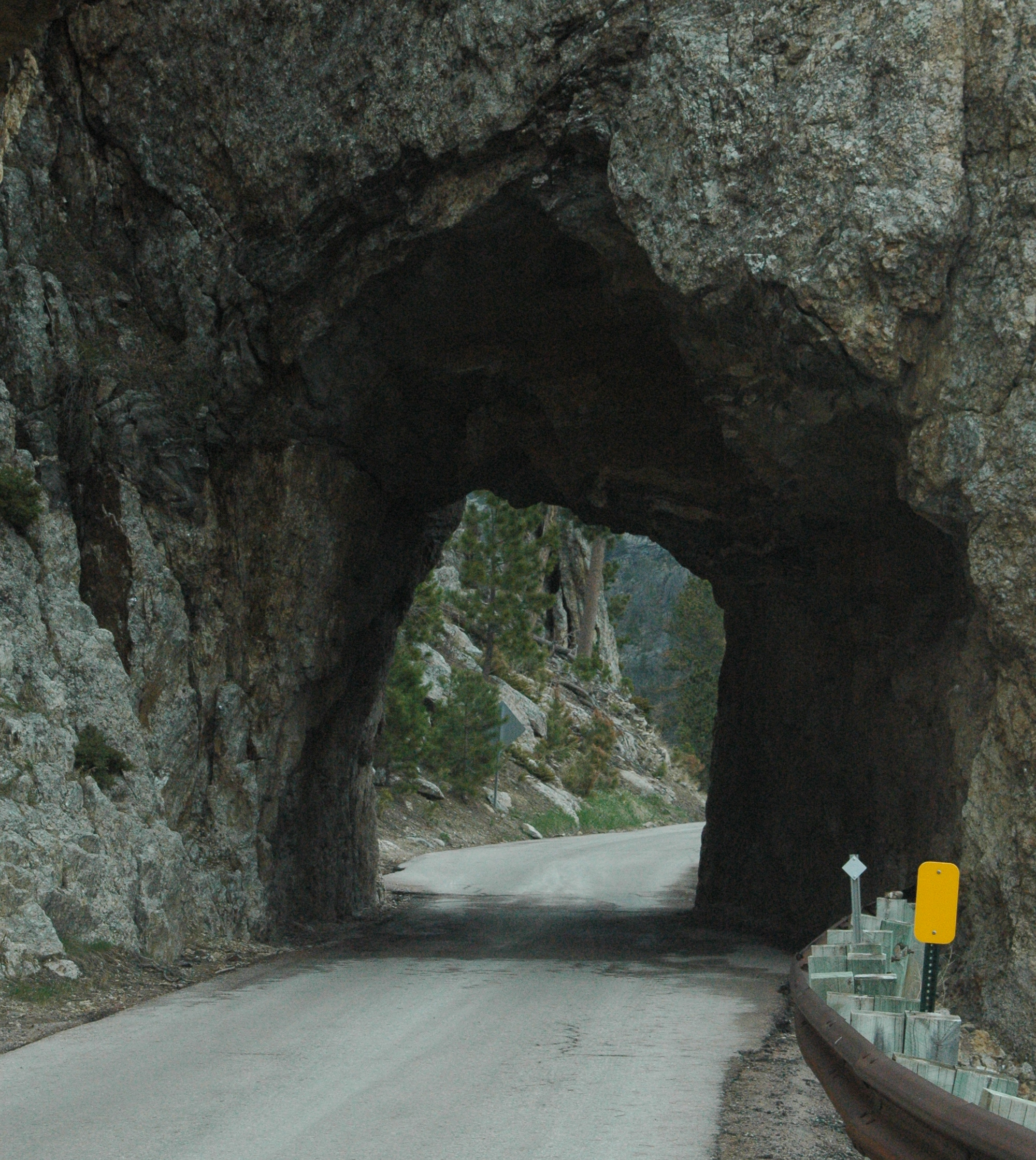
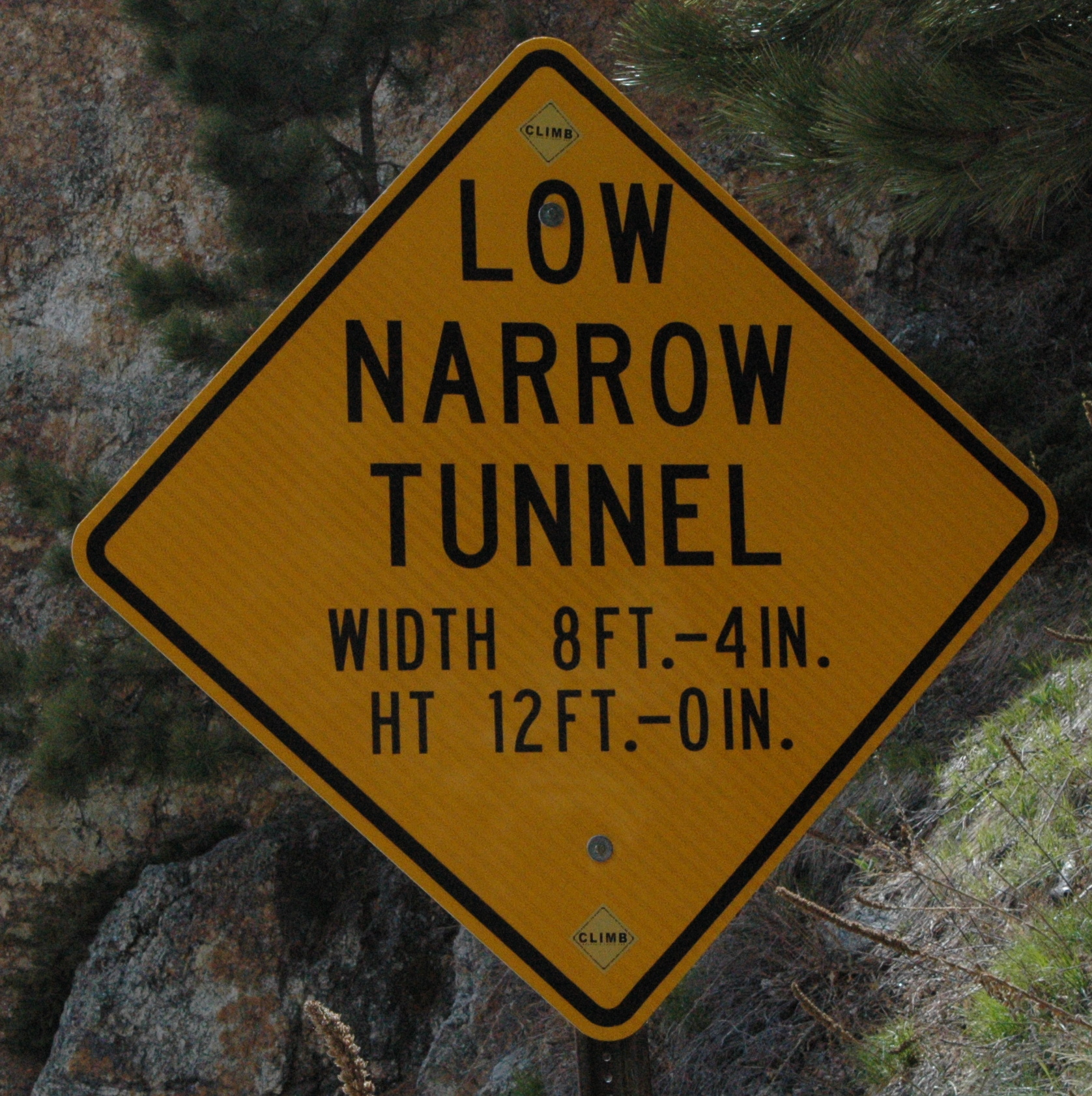
Needles highway goes through Custer Park, and has three tunnels that our very narrow, including one that is supposed to be 8’4” in width. We have talked to several people with dual rear wheel trucks that had no problem going through, so we decided to head on this road, although Dan was a bit skeptical. It is a very pretty drive, and if you are in this area, it is a “must do” item.


amazing views on Needles Hwy

amazing views on Needles Hwy

We followed behind several antique cars that were driving through the park. I don’t know what these are, but there were about 12 of them driving together, and they were all having fun and stopping along the way.


some cool cars

some cool cars

The first tunnel has a width of 9 feet, so this wasn’t a problem getting though.


9 foot width

9 foot width

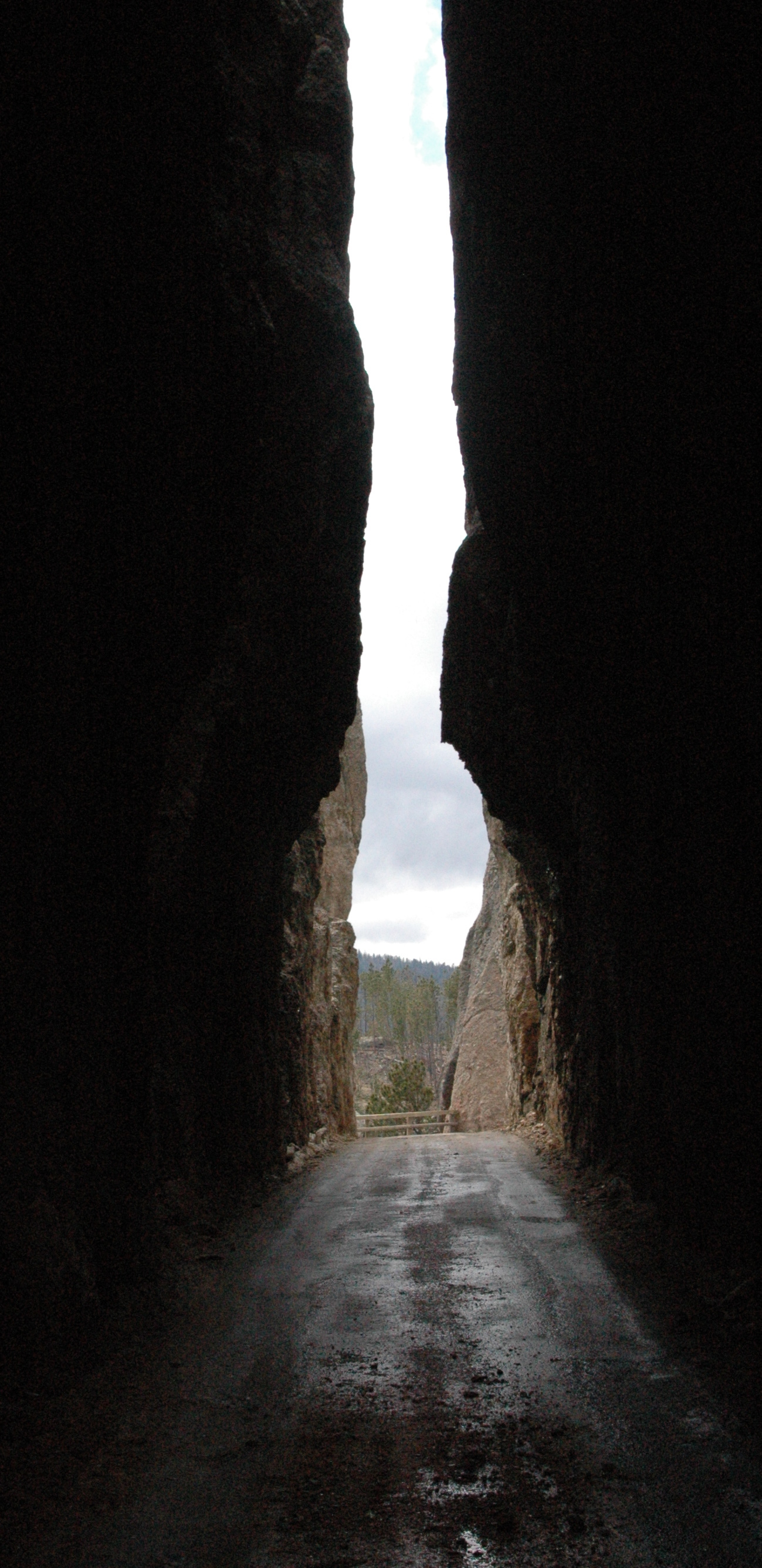
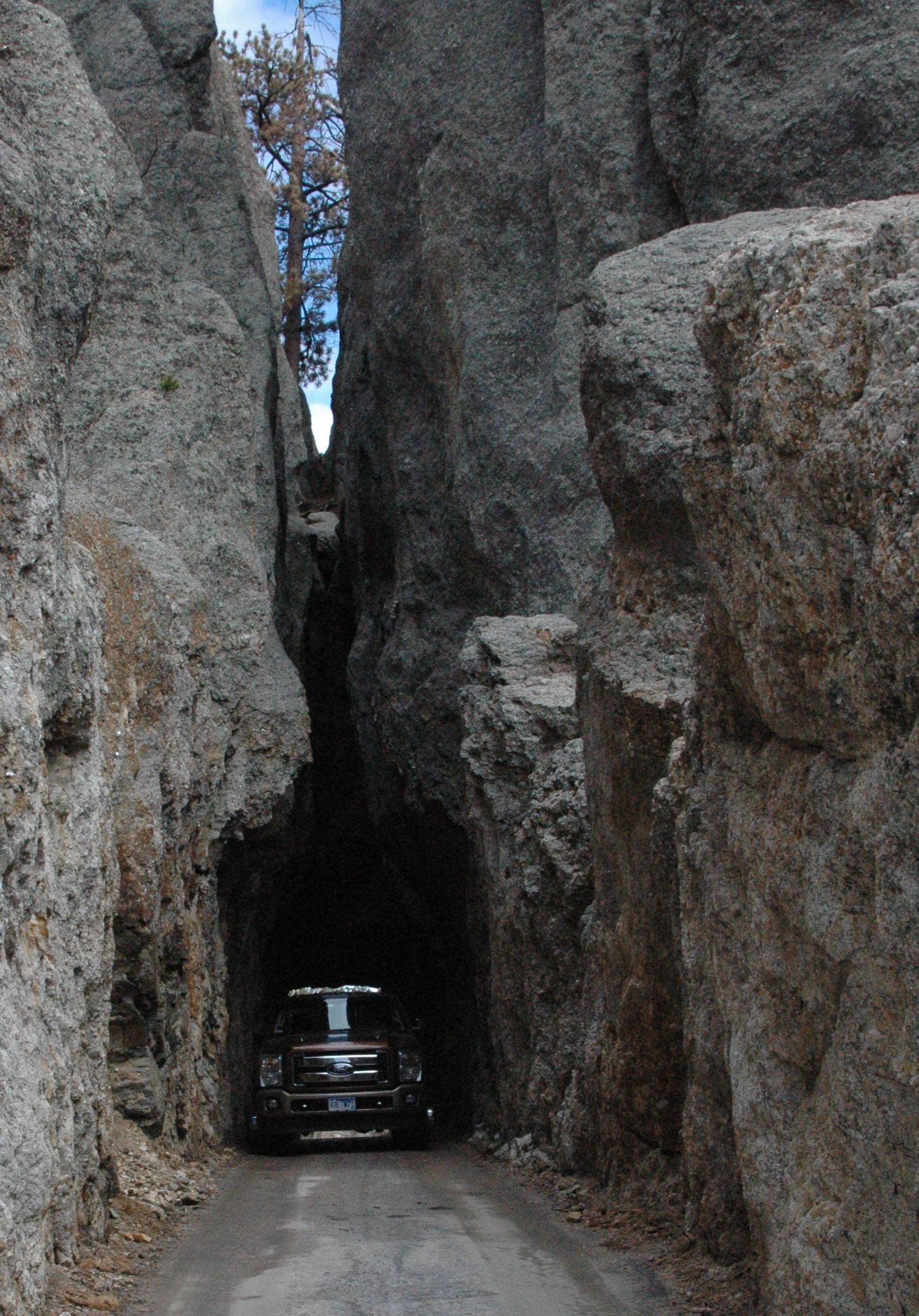
It was the second tunnel, by the Cathedral Spires (elevation 7050 feet), that was the one Dan was concerned about. Many of the tour buses go through these tunnels (and have the scrapes to prove it!), and I think they have actually widened the tunnels over time. I walked through the tunnel to make sure no traffic was coming, as this was a long tunnel, and not something you want to have to back up in. Dan slowly started in, and since there was no oncoming traffic, he just took his time going through. (Challenge accepted Phil!!)

hmmmm

hmmmm


a bit tight?

a bit tight?

no problem!

no problem!

challenge accepted!

challenge accepted!

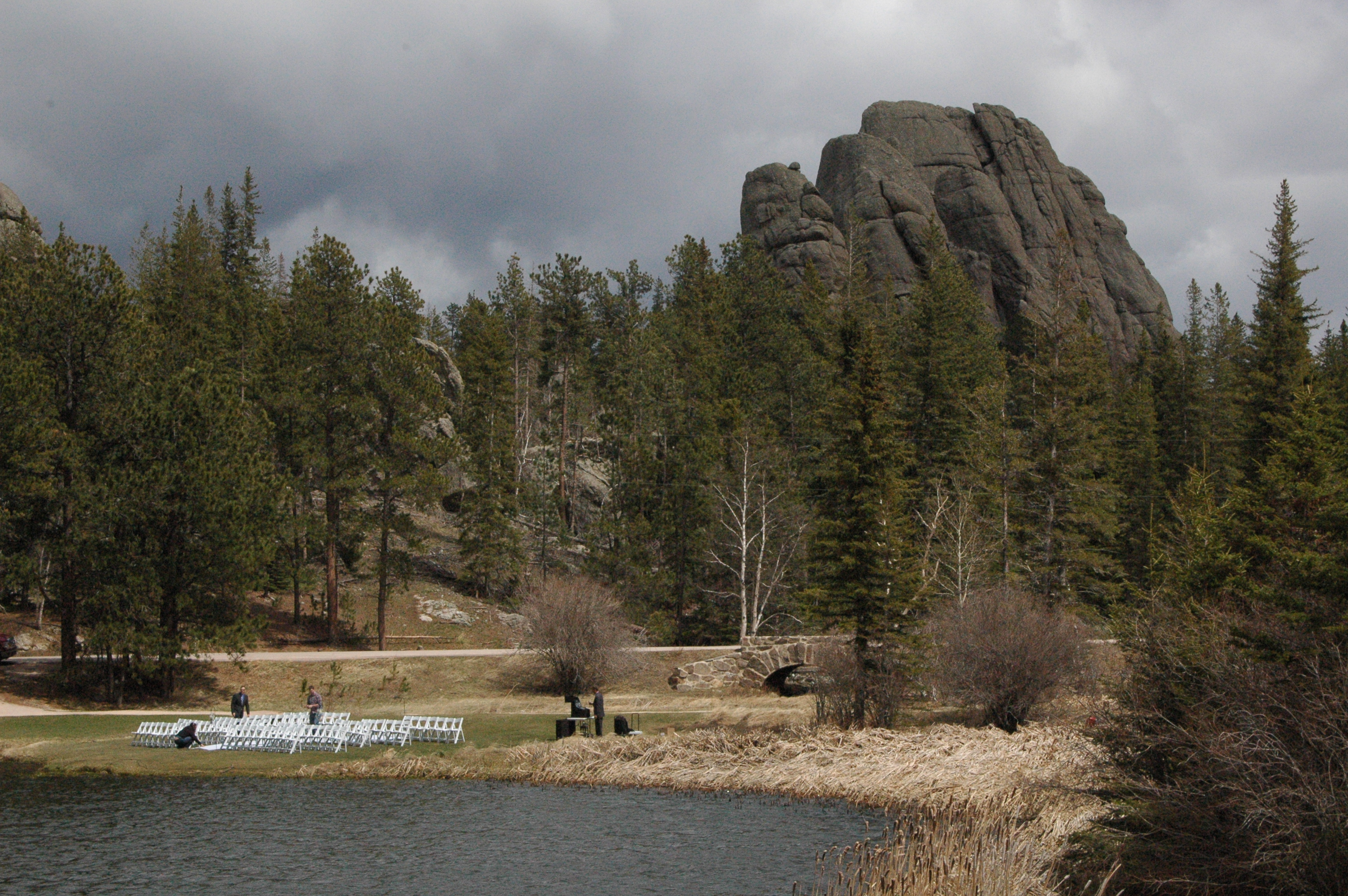
We stopped at Sylvan Lake, another beautiful lake in the park, where they were setting up for a wedding that evening.

Sylvan Lake

Sylvan Lake


There are so many more things to see and do at the park. This would be an ideal place for camping for a week, something we will keep in mind for future visits to this area.

Quote for the day:  “A pessimist sees a dark tunnel.  An optimist sees light at the end of a tunnel.  A realist sees a freight train.  The train operator sees three idiots standing on the tracks.” – Unknown


A little history of Crazy Horse Memorial

Kachina

Kachina

As promised in my last blog, I would provide some history on Crazy Horse Memorial, where we will be working this summer.   Korczak Ziolkowski was born in Boston, and resided in Connecticut. In 1939 he came out to the Black Hills to work as an assistant to Gutzon Borglum, who was in charge of carving Mount Rushmore National Memorial. Korczak was fired from the job, and the letter from Borglum is on display at Crazy Horse Memorial.

Korczak went back home and worked on a sculpture, Paderewski: Study of an Immortal, which won first prize for sculpture at the New York World’s Fair in 1939. Lakota Chief Henry Standing Bear invited Korczak to carve Crazy Horse Memorial, and wrote “My fellow chiefs and I would like the white man to know the red man has great heroes, also.” Korczak did meet with the Chiefs in 1940, and began studying Crazy Horse and the Native American culture.

There is a photo of Korczak meeting with Chief Standing Bear in the museum.

Korczak and the Chief

Korczak and the Chief

From 1943 – 1945, Korczak volunteered for service in WWII, and accepted the Indians invitation after the war ended. He used his own money to purchase the land in the Black Hills and he starts building a log home on the property in 1947. He had several volunteers helping, among them Ruth Ross, who came from his home state of Connecticut.

June 3, 1948 the first blast occurred on the mountain. Korczak promised the memorial would be a non-profit project, and he would never take a salary or government funding. This is a photograph of what the mountain looked like in 1948.

1948 before 1st blast

1948 before 1st blast

And some photos over the years:

By 1982, the tunnel is visible, the top of the mountain was blasted off for the arm, and the right side of the mountain was blasted off, as they are beginning to go down the mountain to block out the head of the horse.

1982

1982

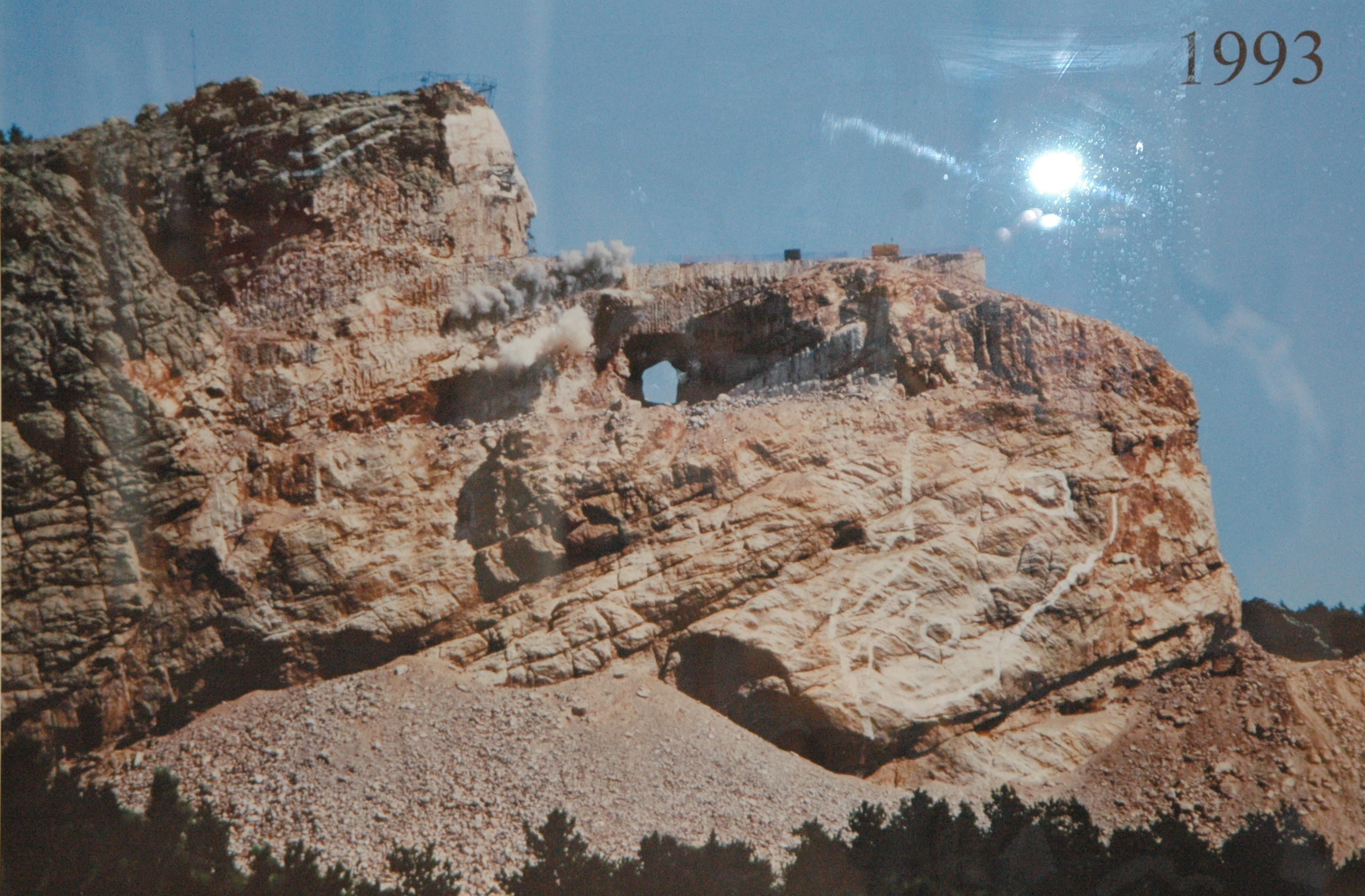
By 1993, work had switched to focus on the head of Crazy Horse, which is partially completed.  The tunnel under the arm now goes through to the other side.

1993

1993

By 2005, the face was complete, and a substantial portion of the right side of the mountain has been removed, as they continue going deeper to carve out the head.

2005

2005

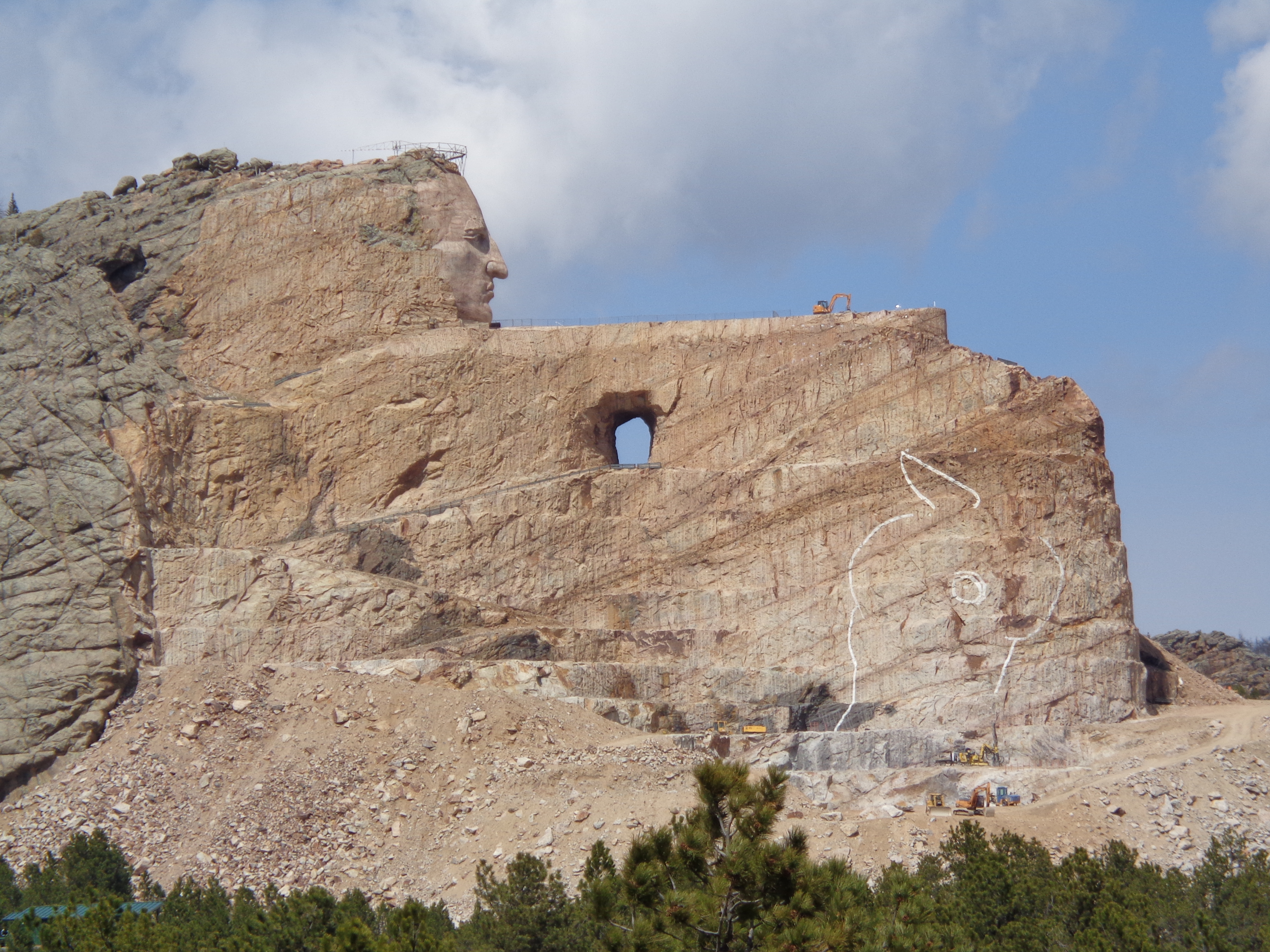
This is a photo how it looks today:

May 15, 2014 view

May 15, 2014 view

Korczak worked alone on the mountain for several years, and suffered multiple injuries and several heart attacks over the years. He married Ruth in 1950, and they had 10 children. Korczak passed away in 1982 at the age of 74. His wife took charge of all activities at the memorial. In 1987 the focus shifted from carving the horse’s head, to the face of Crazy Horse, at the direction of Ruth.

In 1998, the face was completed, in time for the 50th anniversary of the first blast on the mountain. Due to some substantial donations in recent years, work has accelerated and continues on the head of the horse and the hand of the outstretched arm. They have been blasting down the mountain, and are around 340 feet down, to block out the head. It may, at times, look like nothing is being done, but there are photos in the visitor’s area that show the progress over the years, and it is quite dramatic. Since the memorial is carved in the round (3-dimensional), some of the work is not visible from the viewing deck, as it is on the back side of the mountain.

There is so much history involved in the memorial, and I simply cannot do justice to the story in this short blog. Both of us have talked to many visitors over the last several days of work that were amazed at the story behind the memorial, how big the place is, and how difficult a task it is to blast and carve out a mountain into Crazy Horse. If you want to learn more, please visit their website at Crazyhorsememorial.org

WHAT ELSE IS THERE TO DO?

When you arrive at the memorial, we recommend you visit the excellent movie playing in the theatres that documents the history of the memorial. Then you can browse through The Indian Museum of North America and look at many Native American exhibits. There are two gift shops, one displaying items all hand crafted by Native American Indians, and the other with your standard souvenirs. The memorial has made a special effort to try to purchase items made in the United States, whenever possible.

museum

museum

DSC_0377 (1)DSC_0369

Here are two of our co-workers, hard at work in the gift shop!


Ruth and Rudee

Ruth and Rudee

lot's of t-shirts

lot’s of t-shirts

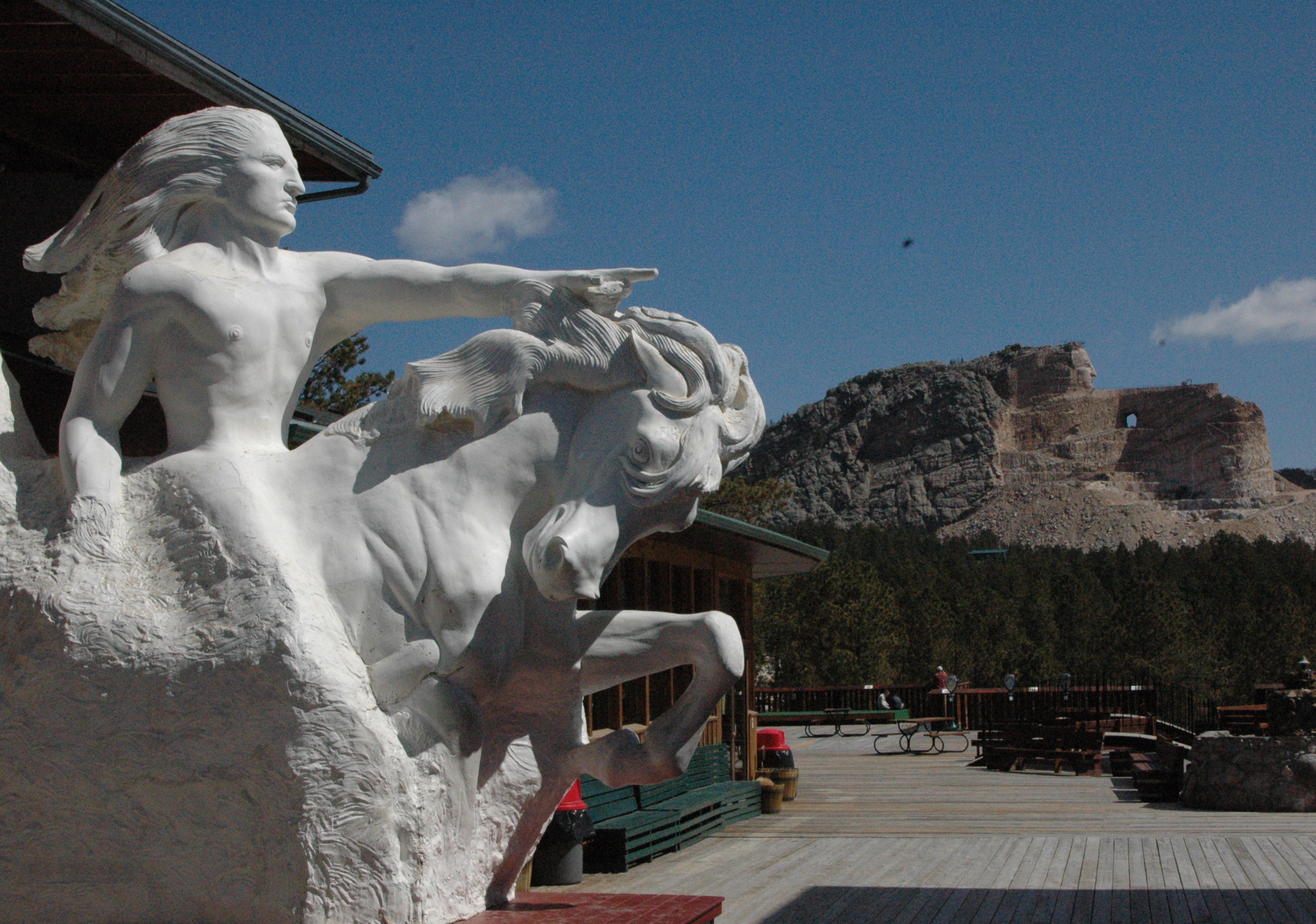
The original 1:34th scale model made by Korczak is on display on the large viewing deck, and is a popular spot for photos.

1/34th scale model

1/34th scale model

There is a covered porch area that has a scale model of what the entire complex will look like in the future, along with a large bin of rocks that have come from the mountain blasting’s. The rocks are free (donations accepted), and reminded me of Lucy’s rock collection in the movie “The Long, Long Trailer.” You can then enter into part of the original log home of the Ziolkowski’s, which has many antique items on display. There is also a two-story Native American Educational and Cultural Center and Korczak’s artist studio.

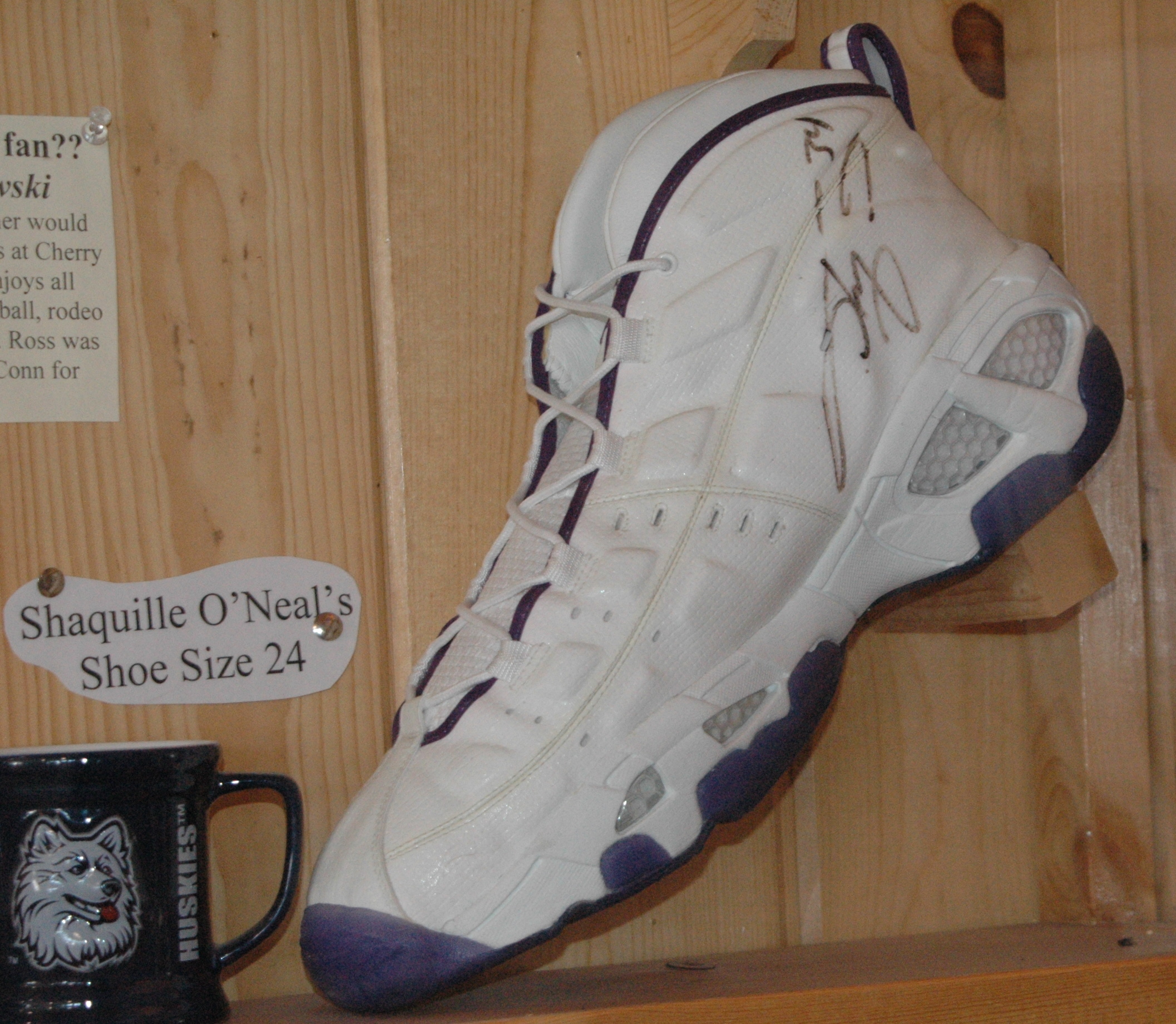
Mrs. Ziolkowski is a huge sports fan, and has many sports memorabilia on display, including a size 24 shoe from Shaquille O’Neal.  They also made a tracing of the shoe on the ground, and I put my foot in the outline for comparison.

DSC_0333 (1) DSC_0331 (1)

There is also the Laughing Waters restaurant and snack bar, which has an extensive menu, including gluten-free and vegetarian selections. In the summer, they have various Native American artists perform concerts and dances on the viewing deck. And thanks to a generous donation from the Ray and Joan Kroc Foundation, (founder of McDonalds), they have a very popular nightly laser light show on the mountain. We are looking forward to seeing that when it starts up at the end of this month.

Quote for the day: “When the legends die, the dreams end. When the dreams end, there is no more greatness.” – Korczak Ziolkowski


Orientation day at Crazy Horse

Wednesday, May 14 was “back to work” day!! We were both excited to start our new adventure for the summer, and it will be nice to have money coming “in”, instead of always going “out”. The first day is just orientation, filling out tax forms (only Federal since South Dakota has no state income tax), along with going over the basic rules that you have with any job.

Dan’s mom always took a ‘first day of school’ photo, so I thought I should get a ‘first day of work’ photo to continue the tradition!

Back to work!

Back to work!


We watched an excellent film on the history of Crazy Horse in one of the 2 theatre’s in the Visitor’s Center of the Memorial. If you ever come to Crazy Horse, we highly recommend viewing the movie as the first thing to do in the complex. It goes over the history of the Memorial, and has interviews with the sculptor, Korczak Ziolkowski (pronounced ‘jewel-cuf-ski’), who passed away in 1982, as well as his wife Ruth.

Then we took a tour of the many buildings in the complex, and then headed back to our meeting room for more orientation. We had an excellent complimentary lunch in the Laughing Waters Restaurant, followed by the highlight of the day, a van tour to the top of the monument.

I plan on a separate post about the history of Crazy Horse, as well as what is all available to see and do on-site. There simply is too much to cover in one post.

A FEW FACTS ABOUT THE MONUMENT

The first blast on the mountain was June 3, 1948, with 10 tons removed. When completed, the memorial will be 563 feet high, and 641 feet long in the round. The face of Crazy Horse is 87 feet, 6 inches. In perspective, the heads on Mt. Rushmore are 60 feet tall.

Korczak refused to take any money from the state and federal government. This policy remains in effect today, and the family has turned down several grants from the government. He did not want the memorial to remain unfinished, like Mt. Rushmore, after they accepted money from the government. The original plan for Mt. Rushmore were for more complete profiles, at a height of 285 feet. Another difference between the two, is Mt. Rushmore was carved on a mountain and Crazy Horse is blasting a mountain into a monument.

The memorial is supported entirely through admission fees, gift shop sales and private donations.

THE RIDE TO THE TOP

Our orientation group was able to take a van tour to the top of the memorial. For the general public, there are two ways you can get to the top. Twice a year, they have a Volksmarch, where the public is invited to walk to the top for a small donation of $3.00.   It is 6.2 miles (10K) round trip. The other way to the top is with a private van tour, which costs $120.00, with $100.00 going as a tax-deductible donation to the non-profit foundation.

The roads are all crushed gravel, made from the rock blasted off the mountain. There is a ‘graveyard’ of old equipment, that they use for parts to repair current machinery.

The graveyard

The graveyard

There are deer and mountain goats that live up in the hills around the memorial. We saw some deer, along with this little critter. It is called a Marmot, which is similar to a woodchuck. The animals don’t seem to be bothered by the regular blasts.

Marmot

Marmot

They are working on the hand, and the nose of the horse. This view of the outline of the hand is not visible to the general public, as it is on the back side of the monument.

working on the hand

working on the hand

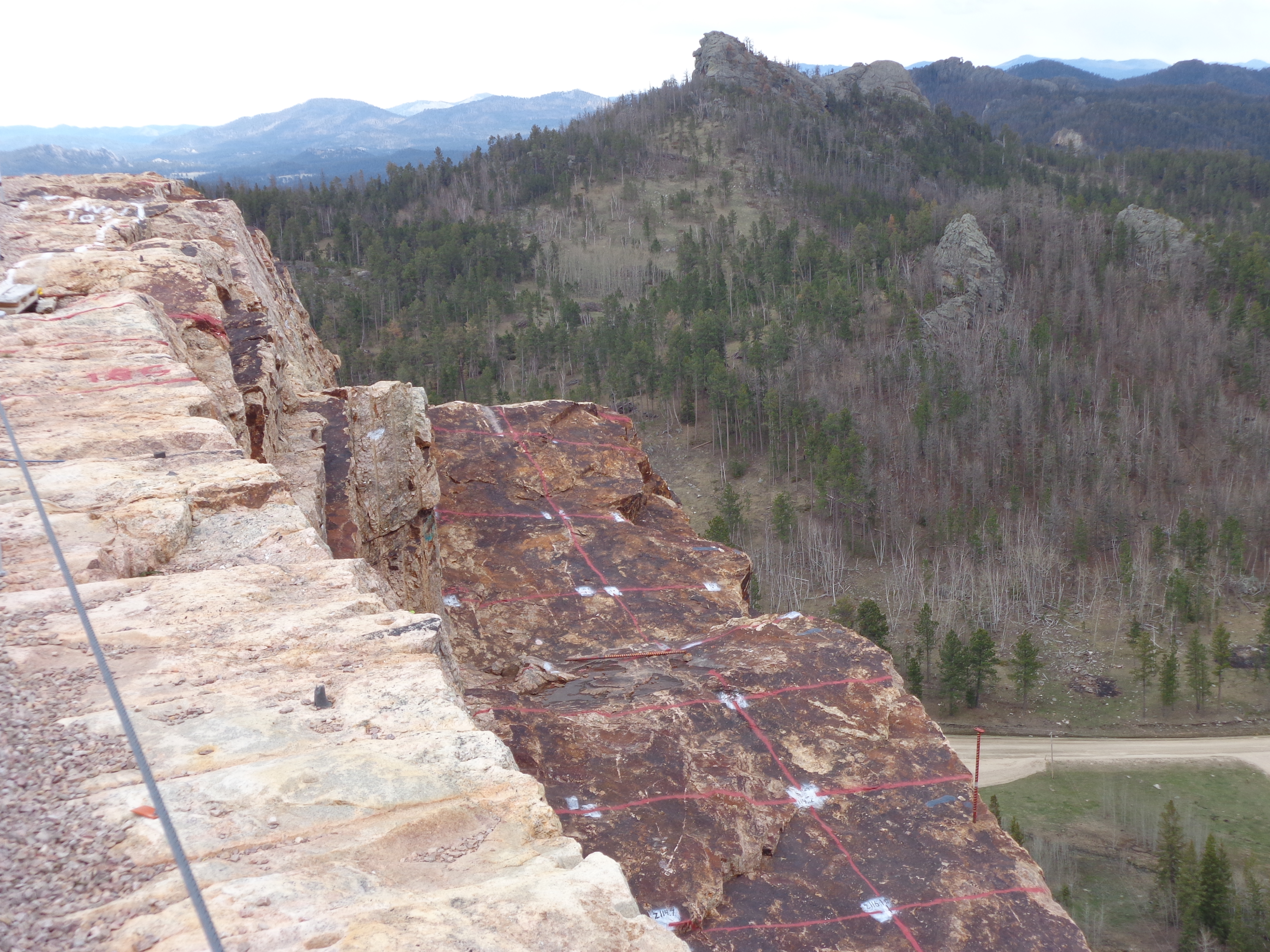
This picture is directly on top of the hand, and shows the red lines where they will be blasting out for the hand.

markings for future blast

markings for future blast

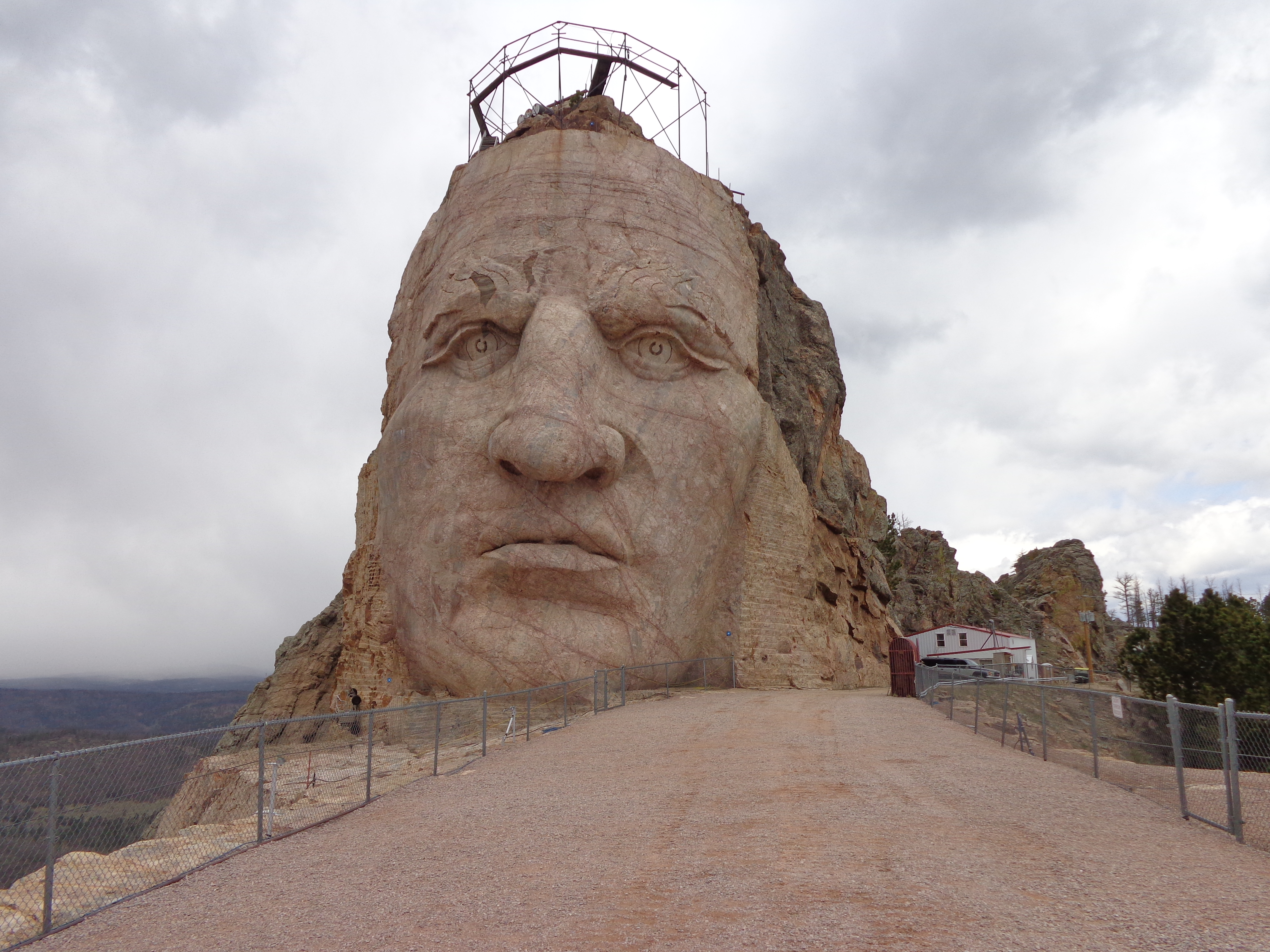
The face of Crazy Horse.

standing on arm

standing on arm

We had to wear hard hats, as they were working below.

DSC00776 (1)

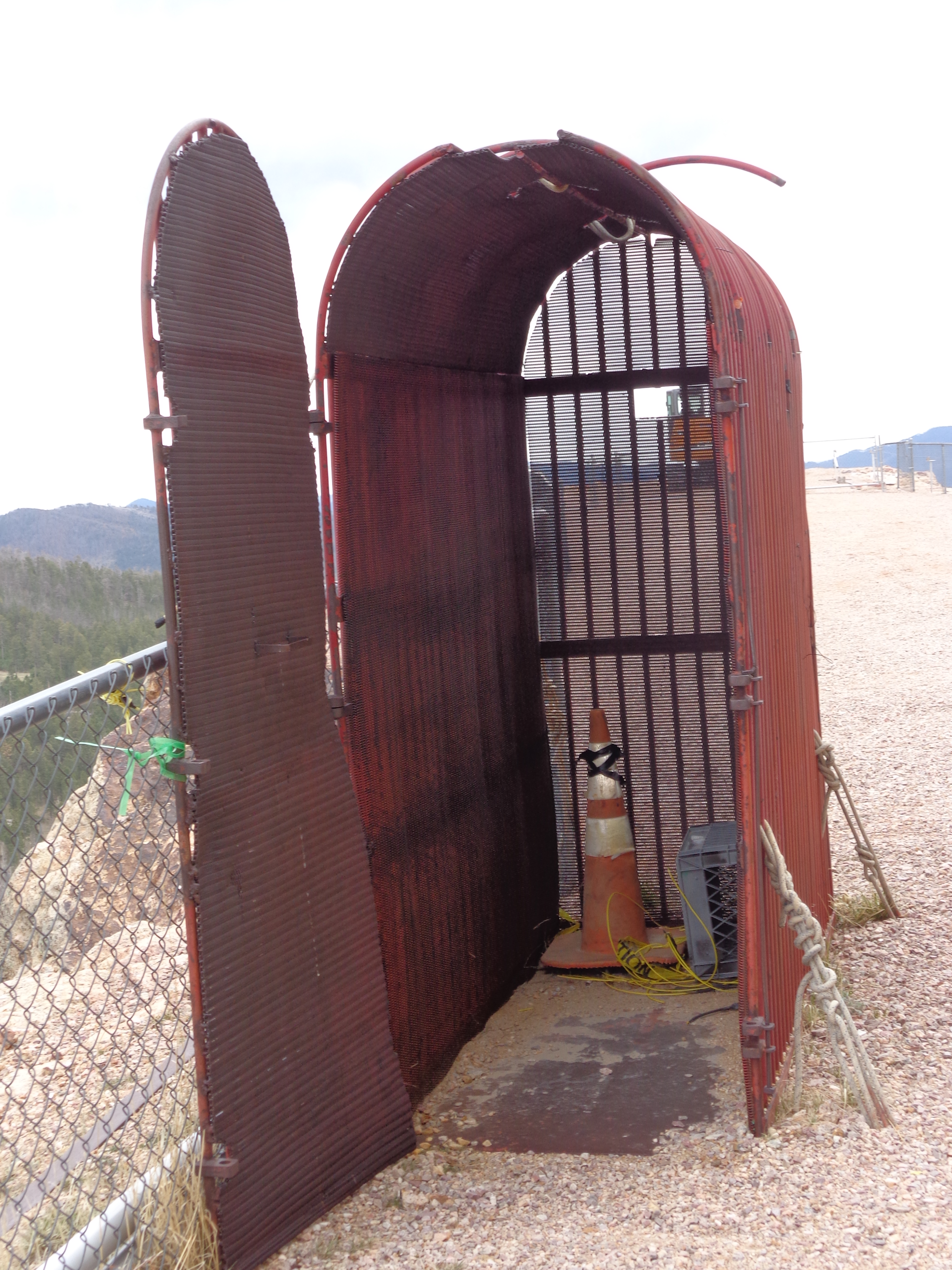
This is an old shark tank which was donated to the memorial. When they are blasting on top, the workers will stay inside this to avoid getting struck by flying debris.

sharks?!

sharks?!

The view from the top….spectacular!

view from the top

view from the top

To put the size of the memorial in perspective, this is the view from our campground…


view from our campground

view from our campground

And this is the view of our campground from the top of Crazy Horse.


CG from Crazy Horse

CG from Crazy Horse

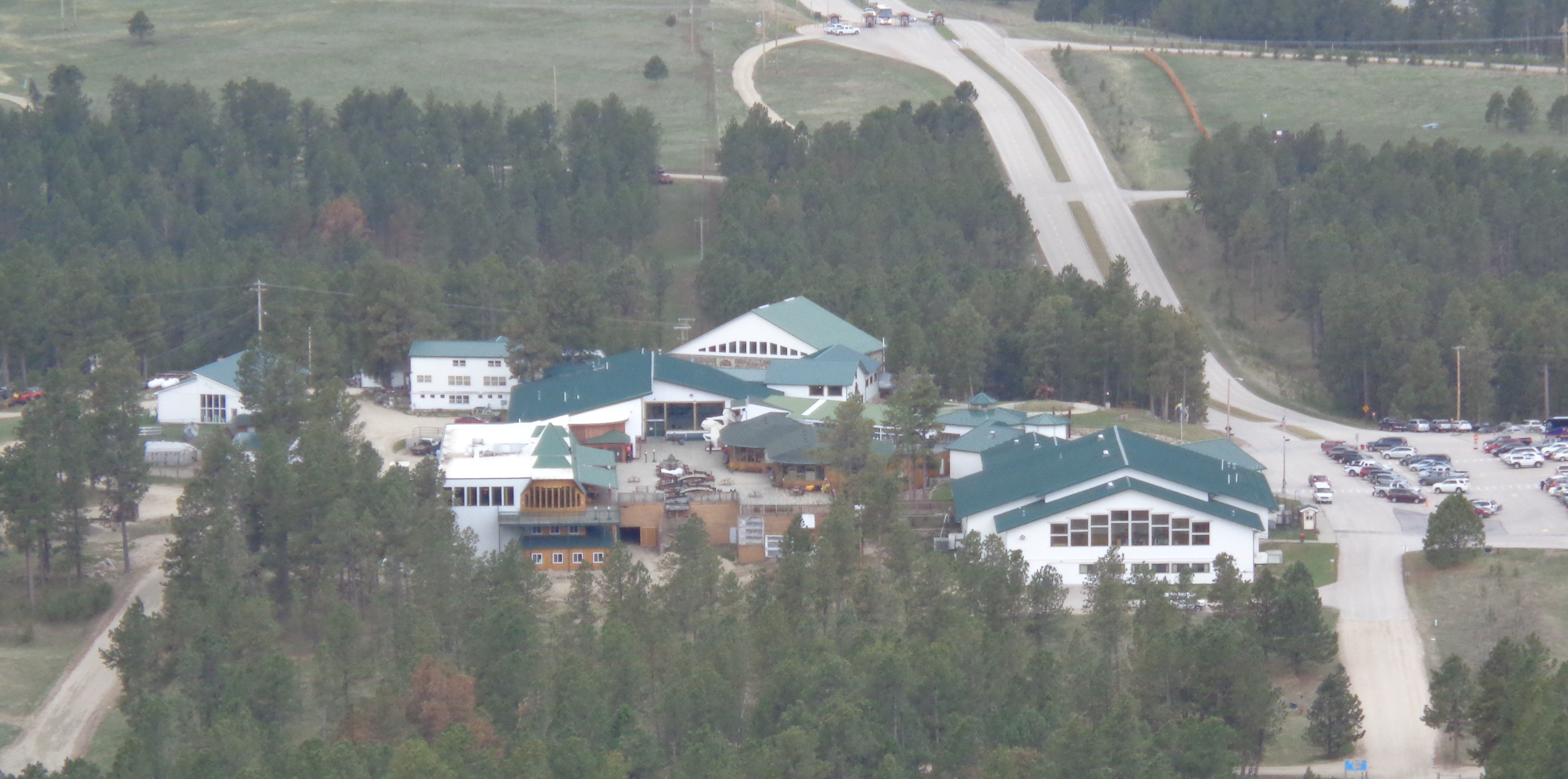
This is the view of the visitors complex.

Visitors Complex

Visitors Complex


The rock formation below is where Korczak is buried, as well as his daughter Ann, who passed away in 2011.

burial site

burial site


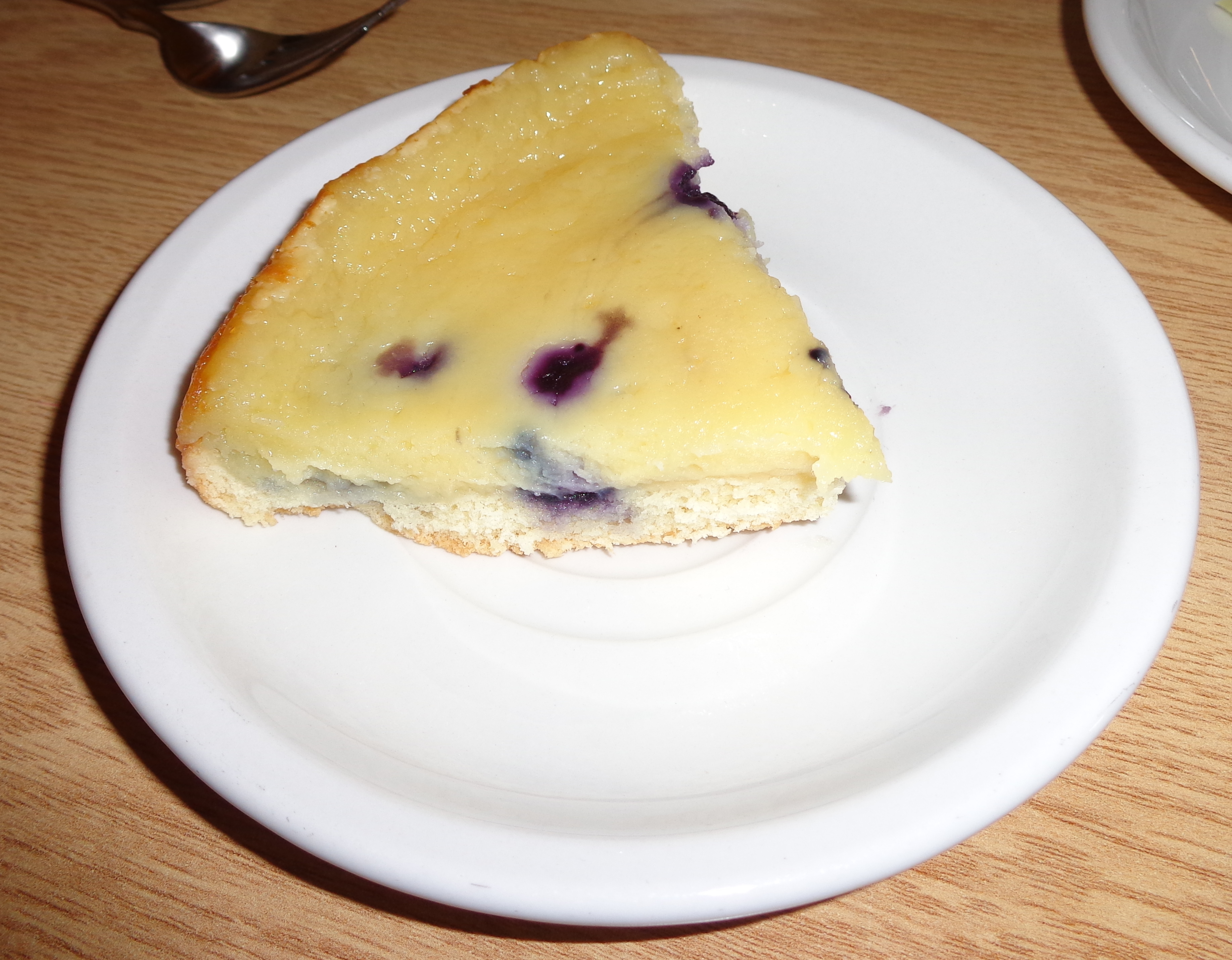
We did make time at the end of the day to stop back into the restaurant to sample Kuchen, the state dessert of South Dakota, as well as some Indian Flat Bread. Both were delicious.

SD State Dessert!

SD State Dessert!

Indian Flat Bread

Indian Flat Bread

Dan commented that it was the best 1st day orientation that he has been a part of!

Quote for the Day:  “Choose a job you love, and you will never have to work a day in your life.” – Confucius